The Commodore 64
Where the obsession began.
Back in the early ’80s, at least among the families I knew, home gaming seemed to come down to two names: Atari or Commodore. I’m thankful that my father was a bit of a “techy” and recognized that the Commodore 64 could do far more than simply play games. That versatility was ultimately what brought one into our household.
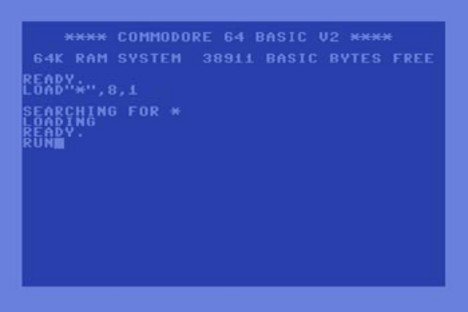
I can remember container after container filled with floppy disks, the vast majority of them holding video games. The Commodore, however, had nothing resembling the point-and-click interfaces we take for granted today. Even as a young kid, I had to learn the commands needed to inspect a disk and load the game I wanted to play. Sometimes the standard load command worked; other times I had to list the disk’s contents, find the correct filename and load it manually. There was certainly a learning curve, but the variety and quality of the games made it worth the effort.
Looking back, there were an enormous number of Commodore 64 games that I enjoyed playing. Games such as Paradroid, Bruce Lee, Prince of Persia, Summer Games, Space Taxi and Choplifter! consumed hours and hours of my early gaming years.
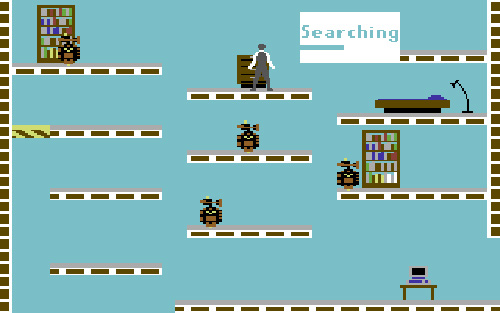
One game that continuously pulled me back was Impossible Mission. There was something about it that managed to be fun and exciting while still feeling strangely calm and methodical. You would run through the complex performing front flips and searching various objects for puzzle pieces, all while trying to avoid being zapped by robots, falling through holes in the floor or touching those mysterious black orbs.
Falling through one of those openings also triggered a harsh, grinding scream that made every missed jump feel considerably more painful than it already was.
Every new game began with that unforgettable robotic warning: “Another visitor. Stay awhile... stay forever!”
The Commodore brought more into our household than entertainment. I remember sitting side by side with my brother while one of us played, then swapping places and watching the other. It was genuine quality time and helped build the close relationship that has continued into adulthood.
Better still were those rare games that allowed us to play at the same time. One of the most memorable was Racing Destruction Set. It was special not only because we could compete together, but because it was our first experience with a game that allowed us to build the world we played in.
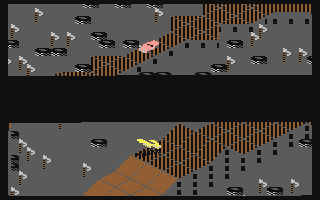
We could design a track, race it, decide what needed changing, rebuild it and race again—over and over with different tracks and vehicles. It was a game that felt as though it had no end, and it gave us some of our earliest and best multiplayer memories.
Nintendo Takes the Stage
That Christmas-morning feeling.
Sometime in the mid-to-late ’80s, another gaming system joined our household. I can still remember the anticipation of that particular Christmas morning. My brother and I opened gift after gift, each one exciting in its own way. Eventually, though, we reached the end and realized the morning’s excitement was over. It wasn’t that we were disappointed with what we had received; it was simply that strange little letdown when the celebration gives way to cleaning up and putting everything away.
That year, however, my parents played the classic “hide the best gift until the end” trick. Once we thought everything was finished, one final wrapped box appeared. My brother and I quickly organized ourselves so we could tear into it together. When the paper opened and we caught our first glimpse of that silver Nintendo logo, the feeling was indescribable. Within seconds, both of us were jumping around with excitement.
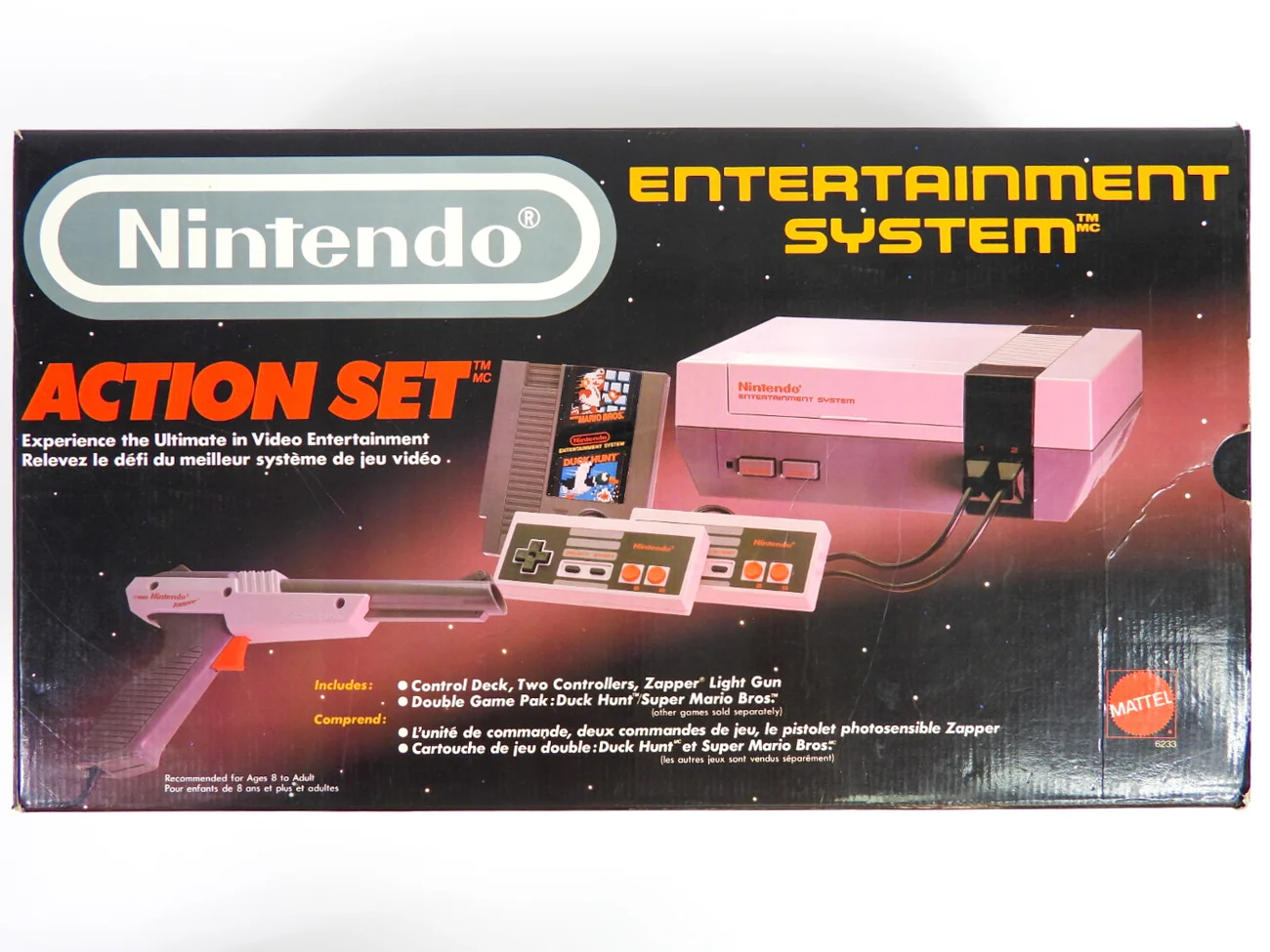
The Commodore 64 wasn’t immediately retired when the NES arrived. Instead, the new system took its place alongside it, and my brother and I began moving back and forth between the two machines. The first game we played was Super Mario Bros., which came with the system. From there, we would eventually discover one of my all-time favourite NES games: Super Mario Bros. 3.
There was something special about Mario 3—and I’m not just talking about the warp whistles. The pacing felt perfect, introducing new power-ups and suits as we progressed through the game. Every world felt like a new experience, and everyone seemed to have a favourite. Mine was Giant Land.
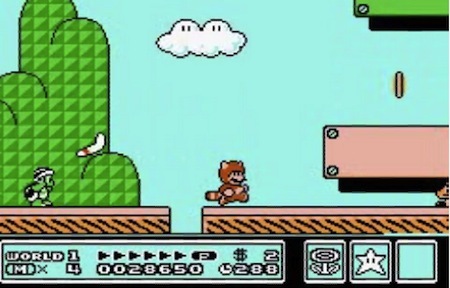
As the NES grew in popularity, it seemed as though every corner store that rented movies also began renting Nintendo cartridges. For kids like us, that opened the door to a huge library of games without our parents having to buy every one. Whenever my brother and I browsed those shelves, we usually had one thing in mind: finding games we could play together.
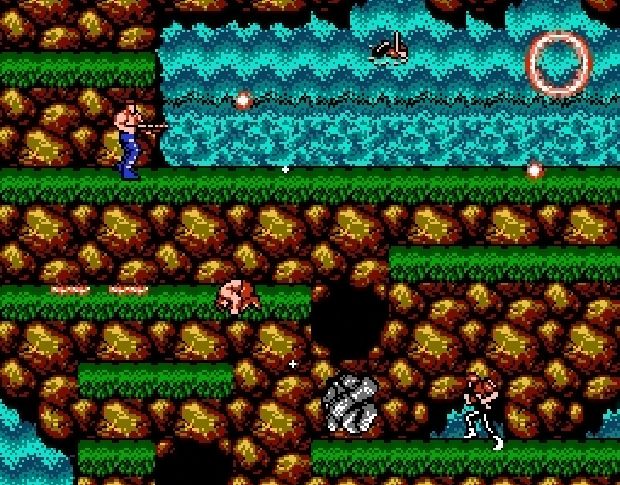
One of our best discoveries was Contra, a fast-paced run-and-gun game that kept both players on the same screen. That shared screen could become chaotic, especially during the vertical stages, where one player could scroll the action upward before the other had found the next foothold. Suddenly, you had to pay attention not only to the enemies, but also to where your partner was and whether he was ready to move. Contra made teamwork part of the challenge, turning cooperative play into something more than simply having two players on the screen.
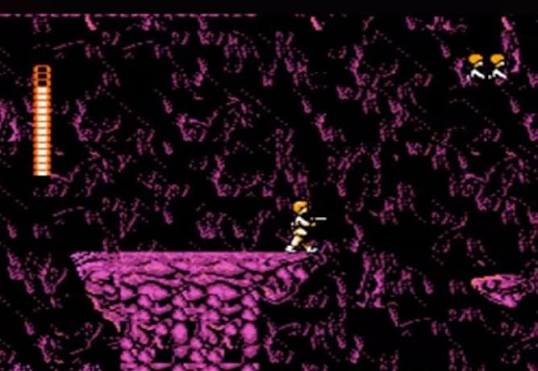
Occasionally, my brother and I would reach an impasse at the rental store. If there weren’t any co-op games available and we couldn’t agree on which single-player game to rent for the weekend, our parents would usually let us choose one each—with the understanding that we would have to take turns. That compromise led me to discover one of my favourite NES games: Star Wars. It was a game that didn’t pull its punches, yet somehow kept me coming back for more.
What drew me in was that, although much of Star Wars was built around side-scrolling action and platforming, it never felt like just another platform game. Between those stages, the game regularly changed its perspective and style. You could pilot a landspeeder across Tatooine, navigate the Millennium Falcon through an asteroid field, operate the Falcon’s gun turret, fly an X-wing and ultimately make the trench run against the Death Star. That variety kept the adventure from ever becoming monotonous.
The NES would remain a part of our household for many years, and along the way I discovered plenty of other games that I grew to love, including Cobra Triangle, Double Dragon, Ice Hockey, Super Dodge Ball and River City Ransom. It eventually outlasted the Commodore 64, but it would be far from the last console to find a place beneath our television.
Gaming goes portable
The Game Boy years.
Life has a funny way of steering us in directions we never would have chosen for ourselves. After losing my mother to cancer in 1992, our family changed again when my father prepared to remarry the following year. Because his fiancée lived some distance away, we planned an extended family road trip—part vacation and part unconventional honeymoon—that would culminate in their wedding in her hometown, after which we would help her move home with us.
That left one practical question: how do you keep two kids happy through several days of long car rides? Game Boys, of course!
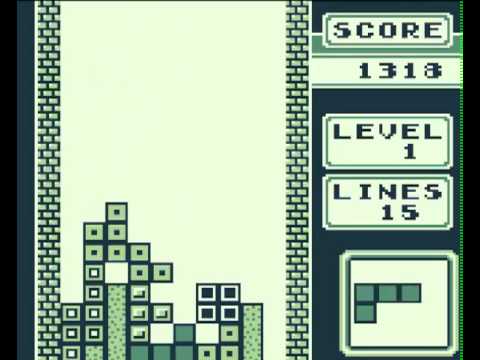
Purchased specifically for the trip, my brother and I were each given our own Game Boy, along with a selection of games. I started with Tetris, of course, while he chose something else. Honestly, I have no idea what he was playing; the wall of luggage stacked between us left each of us in our own little world.
Tetris made the hours seem to disappear. I placed each block with the precision of a complete novice, frequently grimacing at my mistakes as the stack climbed higher. Yet that was also part of the fun: sooner or later, the perfect piece would appear, rescue me from a bad decision and let me clear away enough lines to pretend the mistake had never happened.
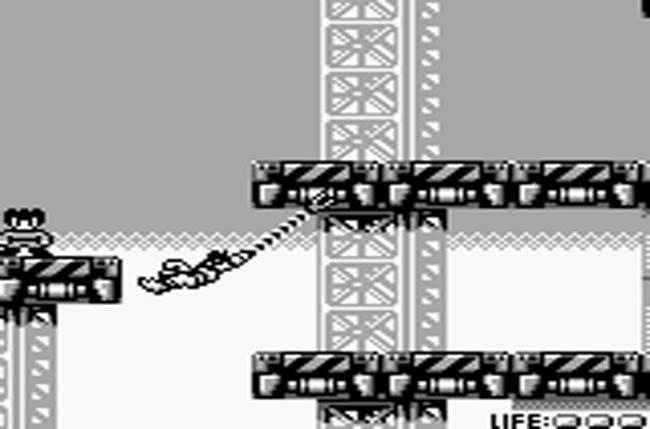
Another game in my collection—and one I probably spent even more time playing—was Bionic Commando. By then, I had grown comfortable with platform games on both home consoles and in the arcade, so it seemed right up my alley. What truly set it apart was the grappling arm. Rather than relying on the usual jump, you could latch onto overhead surfaces, swing across gaps and occasionally “Spider-Man” your way through the map.
You also carried a gun that produced an immensely satisfying “pew-pew” every time it fired. Tying everything together was an almost Metal Gear-like communication system, delivering pieces of the story through messages from both allies and enemies.
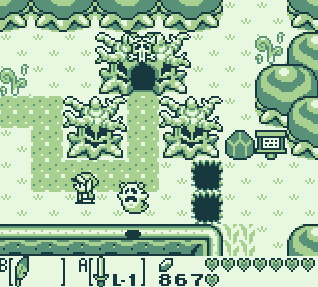
I kept my Game Boy for many years after that trip, although I rarely picked it up outside of other road trips. Then one day, I came across a game that made me rediscover that old joy: The Legend of Zelda: Link’s Awakening.
By the time I played it, I had already experienced more technically advanced Zelda games—ones I’ll get to shortly—but something about Link’s Awakening stood apart. The characters were full of personality, the story held my attention, and even the graphics—limited as they were by early-’90s handheld hardware—felt perfectly suited to the world. Everything simply fit.
Although I continued to own my Game Boy into the late 2010s, most of its later life was spent moving from one storage box to another. From time to time, I wished I could return to that back seat and experience those early Game Boy days all over again. But time only moves in one direction, and eventually, so did I.
The 16-bit leap
Super Nintendo changes the picture.
On our first Christmas together, my father and new stepmother were awakened at six in the morning by two excited boys flying a Federation Galaxy-class starship and a Klingon battlecruiser around their bedroom. After that experience, a new tradition was born: we would stay up late on Christmas Eve and open our presents at 12:01 a.m., allowing everyone to sleep in on Christmas Day. It was an entirely sensible arrangement that received absolutely no argument from us boys.
The following Christmas marked the first trial of that new tradition. Fittingly, it also brought the arrival of our next gaming system: the Super Nintendo.
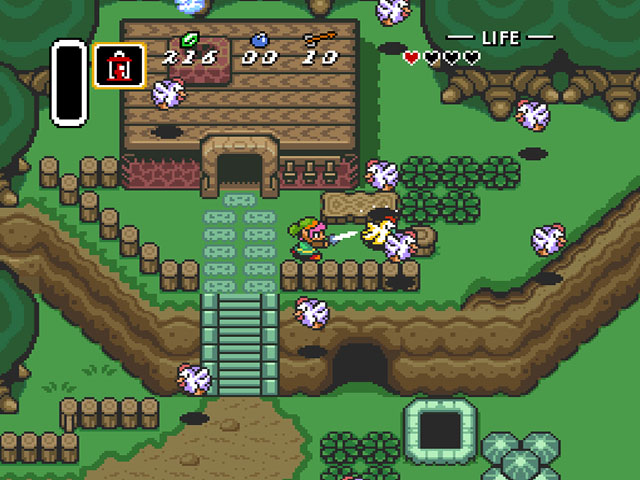
Having already experienced what happened when two boys received a new console with only one game to share, my father wisely made sure the Super Nintendo arrived with a few additional titles to begin our collection. My brother and I both enjoyed Super Mario World, but the game that truly stayed with me was The Legend of Zelda: A Link to the Past.
I spent a ridiculous number of hours playing through Zelda again and again, never growing tired of its story or the world in which it took place. I delighted in provoking the chickens until they swarmed me, smiled at the witch endlessly stirring her bubbling brew and found an almost meditative calm while wandering the shadowy paths of the Lost Woods—a maze that never gave me much trouble. I fell completely in love with that world. It would be years before another Zelda game made me feel that way again: Link’s Awakening, the Game Boy adventure I mentioned in the previous chapter.
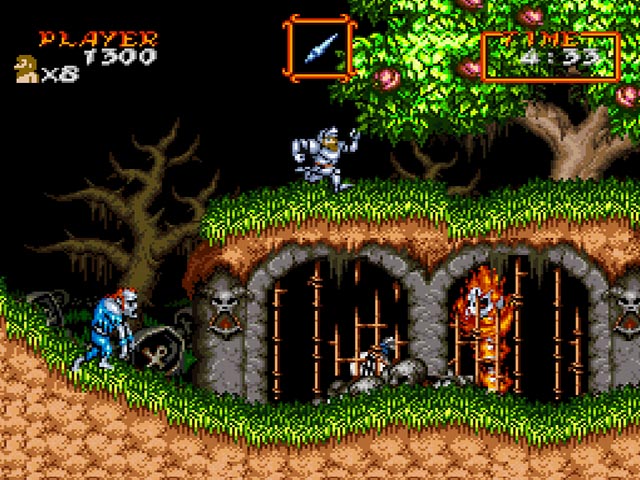
I discovered another of my long-time favourite SNES games while visiting a cousin. Plenty of kids had consoles by then, and my cousin was no exception. Super Ghouls ’n Ghosts quickly grabbed my attention with its wide assortment of weapons, each behaving differently and serving its own particular purpose. Armour upgrades could transform those weapons even further, unlocking entirely new attacks. Some fired projectiles that homed in on enemies, while others launched immensely powerful blasts in a straight line.
Everyone had a favourite weapon; mine was the crossbow. I would eventually own a copy of Super Ghouls ’n Ghosts myself, although by the time that happened, I was already an adult.
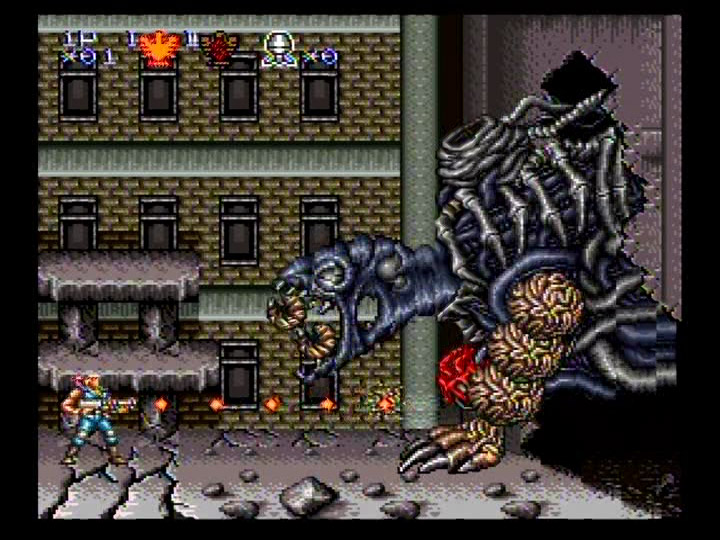
One of the greatest improvements the Super Nintendo offered over the NES was its range of simultaneous multiplayer experiences. Some were designed to be cooperative, while others simply became cooperative in our hands. In Super Mario Kart, we would happily sacrifice our own position to ram computer-controlled racers into obstacles if it helped ensure that at least one of us won. We spent countless hours with games such as Zombies Ate My Neighbors, Secret of Mana, Wild Guns and Super Mario Kart, but one title still stood above the others: Contra III: The Alien Wars.
Like the original Contra, Contra III demanded genuine cooperation. Grabbing every weapon upgrade for yourself only left your partner underpowered, and if one of you ran out of lives, survival could depend on borrowing one from the other. Sharing resources wasn’t simply courteous; it was part of the strategy.
The varied stages kept the game from becoming repetitive. Alongside the familiar side-scrolling action were top-down missions that could use either separate split screens or a shared view, depending on the selected two-player mode. The challenge was always there—and so was the shared celebration whenever we finally conquered a level that had kept us stumped.
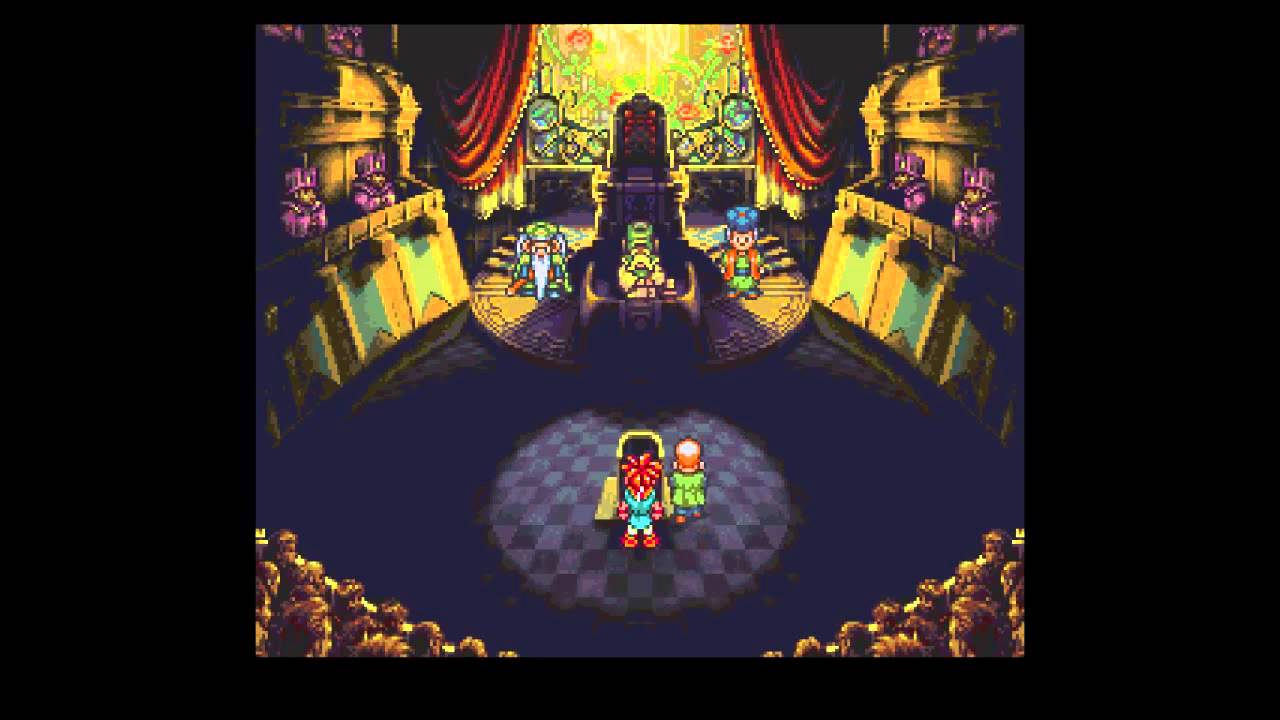
Of every game I played on the Super Nintendo, one stands unquestionably above the rest: Chrono Trigger. I first discovered it as a rental, then returned to rent it again and again and again. Trying to identify the one thing that hooked me is nearly impossible. It was the graphics, the music, the characters, the story, the world—everything came together perfectly.
The battle with Magus remains unforgettable, driven forward by one of the most epic musical themes I had ever heard. Yet the moment that truly amazed me came during the court trial. Until then, everything I had done at the Millennial Fair seemed like harmless experimentation during the opening of the game. Then the trial began recounting those seemingly insignificant choices and presenting them as evidence. The game had been paying attention to me. Oh hell, what an incredible revelation that was.
To this day, I still return to Chrono Trigger through emulation. I don’t go back because I have forgotten what happens; I go back because I want to relive the entire epic experience all over again.
Although the Super Nintendo wouldn’t be the last console I owned, it would be the last one my brother and I shared while living under the same roof. Consoles such as the Xbox, Xbox 360, Wii and Switch would enter my life later, but none would occupy the same central place that the Nintendo systems before them had. They were secondary machines—something to enjoy with friends when they visited rather than the foundation of my gaming hobby.
By the time those consoles entered my home, I had long since moved away from console gaming as my primary pastime. My attention had shifted toward something far more expansive: the world of PC gaming.
The first real PC
A mind-blowing 33 MHz.
While my brother and I remained focused on console gaming, my father continued indulging his own love of technology and eventually replaced the Commodore 64 with his first proper PC. When the time came for him to upgrade, a new family tradition began: the hand-me-down computer.
As my dad unpacked his brand-new machine, I inherited the old one—and suddenly, a world of possibilities opened before me. There I was, a teenager in high school, with my own PC powered by an Intel 80486 running at a blistering 33 MHz and boasting a whopping 8 MB of memory. At the time, it was a genuinely impressive machine capable of running some of the best PC games available. And yes, it even had a Sound Blaster audio card.
My early PC gaming quickly settled into two distinct genres. First-person shooters introduced me to Doom, Heretic and Duke Nukem 3D—the last of which would eventually consume hours of my time as I designed custom maps of my own. Adventure gaming brought me the Hugo games and fostered a lasting appreciation for nearly everything Sierra released.
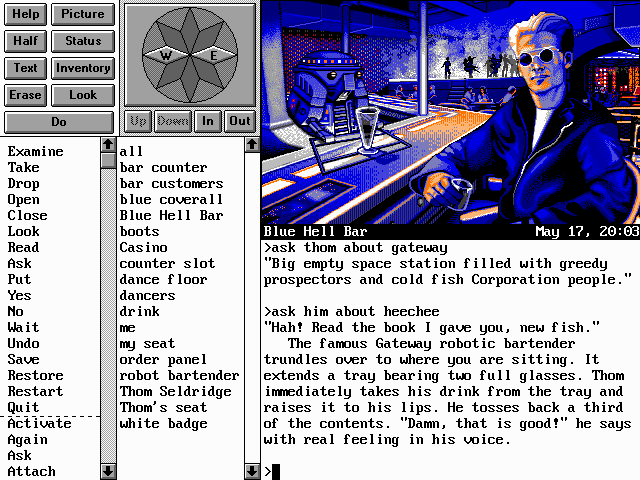
Among those adventures, I stumbled into the world of Frederik Pohl’s Gateway. It was primarily text-driven, but its interface made the experience feel far more interactive. Selectable commands appeared on screen alongside illustrated locations, and objects or characters within those still images could be clicked to reveal additional descriptions. The science-fiction story completely drew me in. By the time I finished, I almost wished I had never played it—only so I could experience it all over again for the first time.
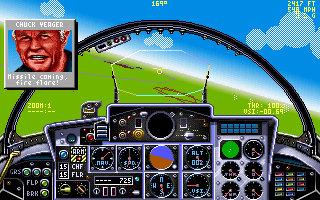
As I became more immersed in PC gaming, my horizons expanded beyond shooters and adventure games. I developed a particular fondness for simulations. Driving games such as Vette! and Stunts occupied plenty of my time, while Microsoft Flight Simulator and Chuck Yeager’s Air Combat offered experiences unlike anything I had encountered before.
Chuck Yeager’s Air Combat became one of my earliest favourites. I would return home after a long day at school, fire up the PC and launch myself into the sky in an F-4 Phantom, hunting German Me 262s. Yeager also appeared on my screen to warn me about incoming missiles with considerably greater frequency than my ego would prefer to remember.
It wasn’t until the mid-to-late ’90s that dial-up connectivity reached my area. For the first time, a telephone line could carry my computer beyond the walls of our home and into systems operated by other people. As someone who already enjoyed text-driven games, it didn’t take me long to discover the world of Bulletin Board Systems.
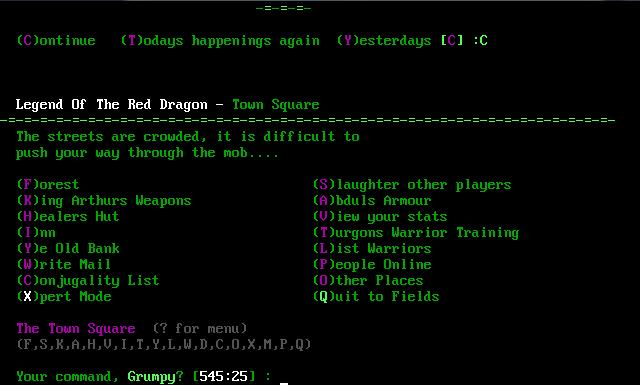
These weren’t massively multiplayer games in the modern sense, but they were my first taste of persistent online gaming. Most of the actual gameplay remained fairly solitary, yet our progress existed within systems shared by other callers. Of the many BBS games available, the one I remember most fondly was Legend of the Red Dragon—or LORD, for short. It combined the exploration and progression I would later associate with the Elder Scrolls games with the storytelling atmosphere of a tabletop Dungeons & Dragons adventure. For someone who loved fantasy roleplaying games, it was an absolute dream.
Those early years with my 486 marked the beginning of a lifelong hobby and gave my imagination room to grow far beyond the limits of any single game. I feel fortunate to have been born at a particular moment in history—early enough to experience command lines and floppy disks, yet young enough to step into connected worlds as they emerged. From there, my gaming experiences would only become broader, more ambitious and more deeply connected.
Building worlds
From Build editor to living novels.
The best thing I can say about being a gamer is that you don’t necessarily need an actual video game to have fun. I spent countless hours building tracks in Racing Destruction Set and many more shaping maps with the Build editor for Duke Nukem 3D, but those tools still gave my imagination something visible to work with. Some of my most memorable and imaginative gaming sessions happened without a screen at all, in worlds that existed only in the minds of the people gathered around the table.
During my high school years, I became interested in the world of Dungeons & Dragons. Our small group of friends would spend many lunch hours gathered in a school stairwell, manuals, dice and character sheets in hand, playing through one fantasy adventure after another. Before long, I began learning how to run adventures of my own and eventually created an entire fantasy world named Aleros. Later, I learned that the Role Playing Game Association—the RPGA—offered an official certification process for Dungeon Masters. I applied, completed the required testing and received my certification.
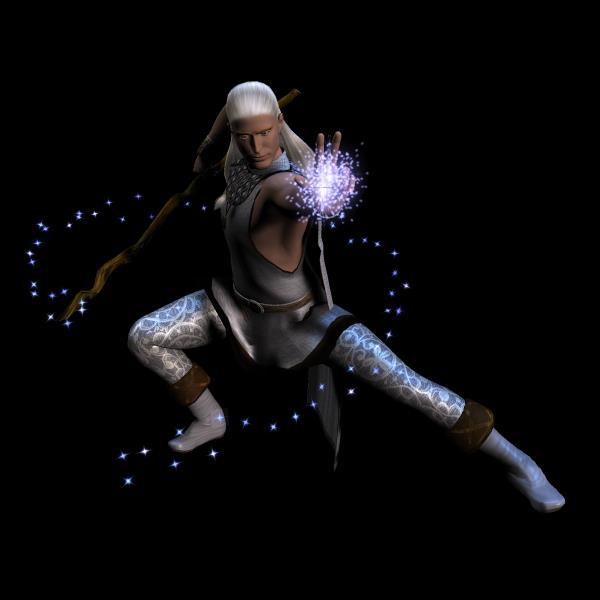
As I moved into college, old friends gradually gave way to new ones, and my days of playing Dungeons & Dragons faded behind me. I didn’t realize it at the time, but another form of fantasy roleplaying was waiting just over the horizon. While searching online for a new group, I discovered the WebChat Broadcasting System—better known as WBS.
WBS hosted a vast collection of chat rooms where people openly roleplayed characters. Its flexibility allowed us to combine screen names, character images and richly descriptive posts into personas we could carry from one room to another. I found sprawling fantasy adventures in places such as the Inn of the Weary Traveler and Dragondale City, wondrous and exciting Star Trek roleplay in The Nexus, and the darker, more mysterious—often Mos Eisley-like—atmosphere of the Star Wars Cantina. Across those rooms, I created many characters and made many friends.
That world came to an abrupt end after WBS was acquired by Infoseek and then swept into Disney’s Go Network. WBS was closed, its most popular rooms were moved into Go’s far more restrictive Java-based chat system, and nearly everything that had made the original community special disappeared with it.
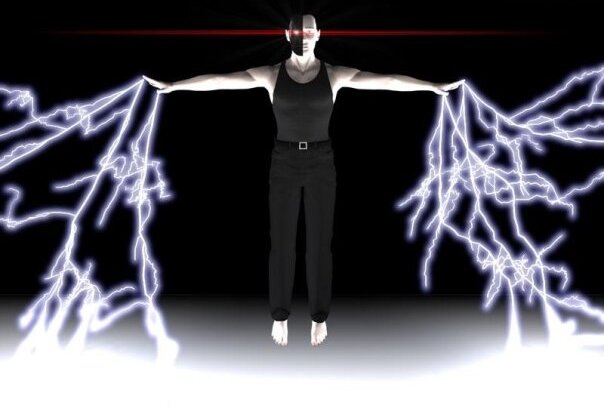
As college came to an end and working life took over, I gradually moved away from most forms of tabletop roleplaying. I never lost my love of creating, though, and every so often I would pull out my old workbooks and add a few more details to the world of Aleros. Eventually, that need for a creative outlet began expressing itself in other ways.
Massively multiplayer
The road toward Jodian Gaming.
As spring 2001 gave way to summer, my life as a college student came to an end and the reality of being a working adult began. I often found myself thinking back to the days of WBS, yearning once again for the feeling of inhabiting a living, breathing universe. That wish would be fulfilled the following year, when I discovered an entirely new kind of gaming experience: persistent online worlds populated by thousands of other players and continuing to change even while I was away. I had discovered massively multiplayer online games—or, more simply, MMOs.
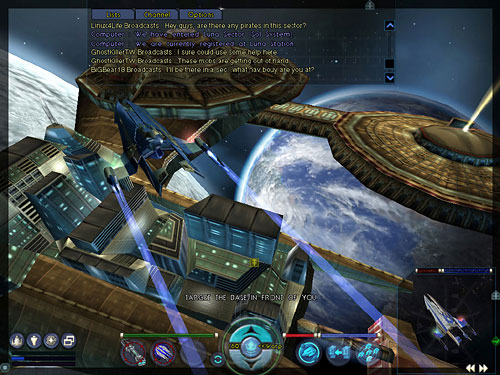
My first MMO was a game called Earth & Beyond, a science-fiction world in which your starship felt more like your true character than the humanoid avatar you briefly controlled during visits to space stations. The game divided humanity among three races—the Terrans, Progen and Jenquai—and built its careers around three broad professions: Warrior, Tradesman and Explorer. Not every possible race-and-profession combination was playable in the original release, but each available career brought its own strengths and personality to combat, trade or exploration.
What I really enjoyed was how populated the universe felt. You could technically play alone and pursue your own goals, yet space never felt entirely solitary. Wherever you travelled, you were likely to cross paths with other pilots pursuing adventures of their own. After WBS, that feeling of inhabiting a world alongside real people was exactly what I had been missing.
Although I loved the experience Earth & Beyond had given me, I still felt as though something was missing. I wanted more from this newly discovered world of MMOs, and that search eventually led me to a game that was relatively unknown—at least in my area—called Ragnarok Online. I fell in love with its distinctive visual style almost immediately: colourful, animated characters moving through bright three-dimensional environments. More importantly, it was the first game I had played that allowed me to personalize my character’s appearance. For the first time, my character began to feel like someone I had created rather than simply an avatar I controlled.
Ragnarok Online provided much of the roleplaying depth I had been missing. Its Job system—beginning every character as a Novice before allowing them to advance into increasingly specialized careers—felt comfortably familiar to someone raised on the class progression of Dungeons & Dragons. The creatures were adorable, even when they were trying to kill you, the music was wonderfully relaxing and the cities bustled with literally hundreds of players. The entire game carried an almost meditative sense of calm. Yet it still had one peculiar shortcoming: you could socialize among enormous crowds in town, then venture outside and spend most of your adventure alone. One moment you were surrounded by a thriving community; the next, it could feel almost like a single-player game.
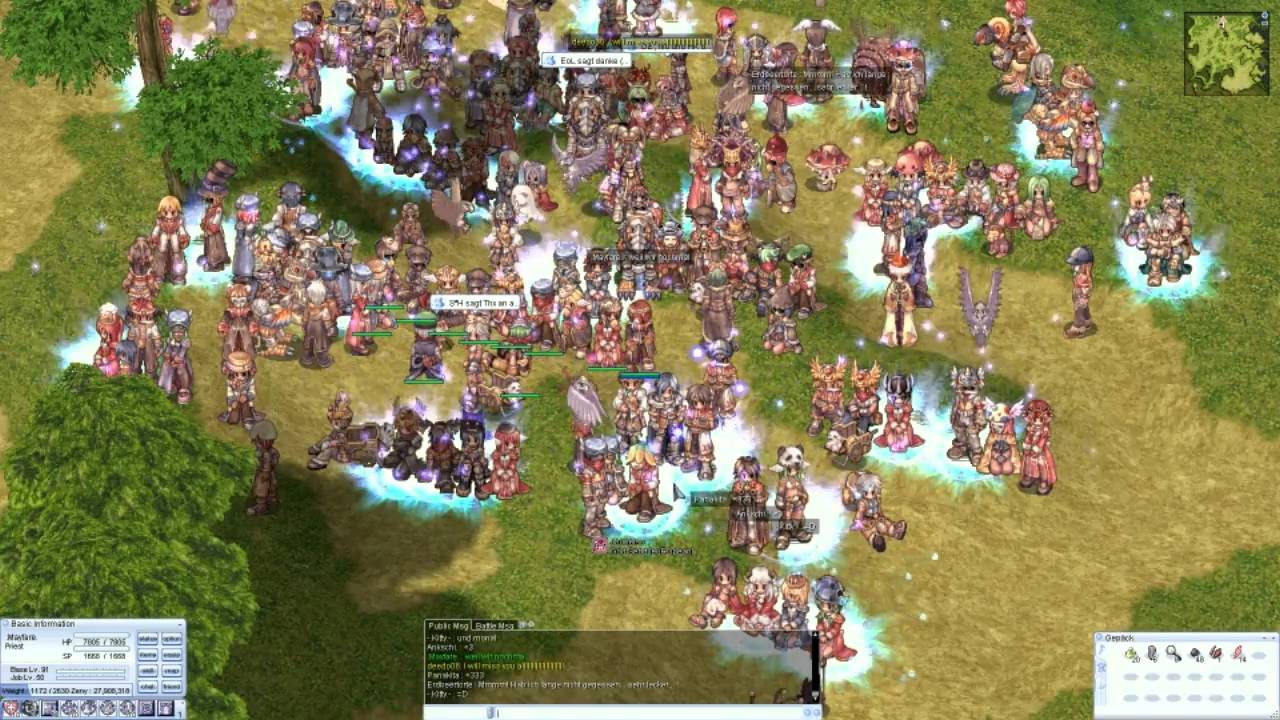
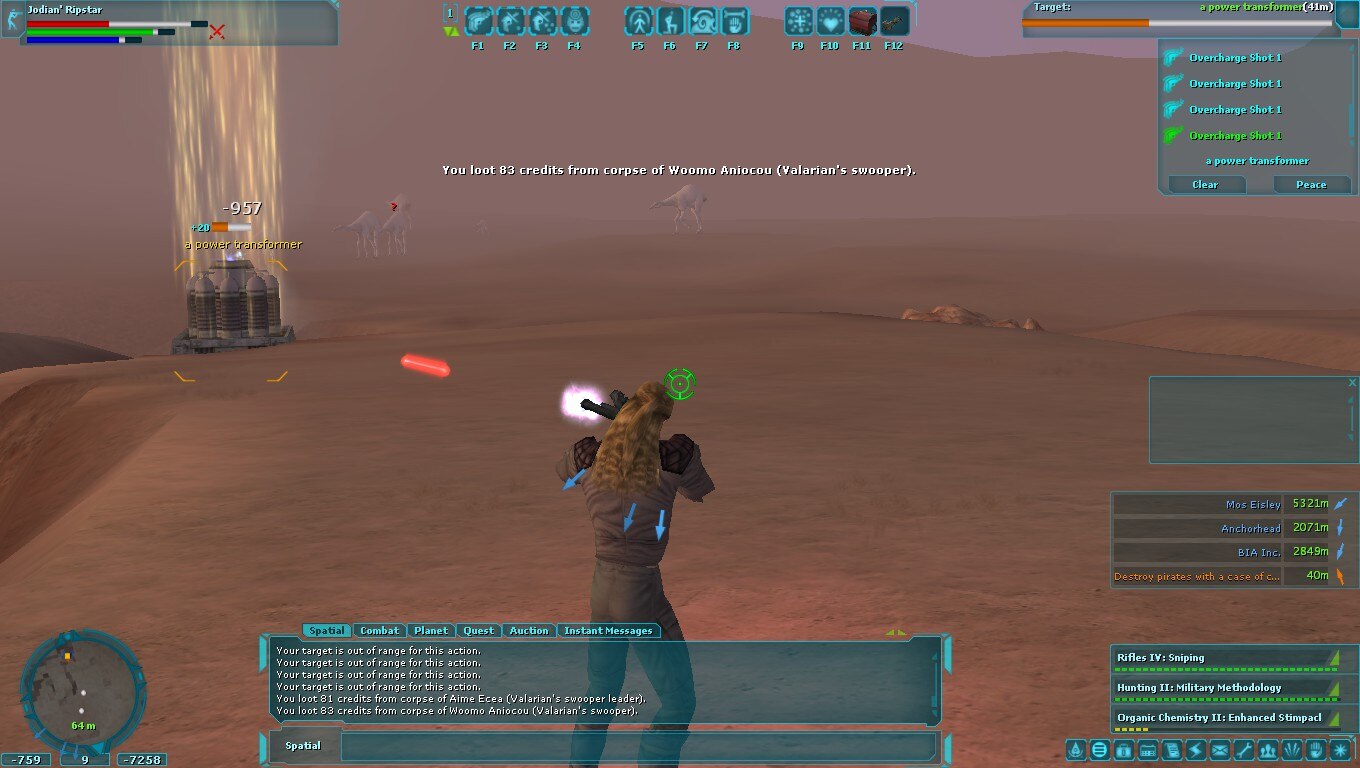
Although I thoroughly enjoyed what Ragnarok Online offered, my time there would ultimately be fairly brief. I still remember the day everything changed, and part of me continues to believe that fate placed me there. For reasons I can no longer recall—perhaps nothing more than boredom—I arrived at the mall before the stores had opened and noticed a short line forming outside the local EB Games. I stopped to ask what everyone was waiting for and learned that a game called Star Wars Galaxies was launching that morning. Once they explained that it was a new Star Wars MMO, joining the line became an extremely easy decision.
My earliest memories of Star Wars Galaxies are undoubtedly softened by my enduring love and nostalgia for the game, but I can admit that its launch was rough. Connection problems and character bugs offered only a small taste of the chaos players encountered before the first waves of updates began stabilizing the experience. Once those technical problems were brought under control, however, I discovered a love for that galaxy that no other game has managed to equal.
In my eyes, Star Wars Galaxies was remarkably close to perfect in its original design. Its character creator offered plenty of visual flexibility, but the real freedom began after entering the game. Rather than trapping you inside a single predetermined class, SWG allowed you to learn skills from many different professions within the limits of a finite skill-point budget. If you wanted to become an elite sniper who moonlighted as a cantina dancer, you could. Those limits ensured that nearly every character became unique, shaped by the particular collection of abilities its player had chosen.
That freedom did not mean complete independence. Combat characters relied upon doctors and entertainers to heal the physical and mental wounds they accumulated in battle. Doctors depended upon crafters and resource gatherers to supply the equipment and materials needed to produce medicine. Crafters, in turn, relied upon scouts and other players for resources they could not easily obtain themselves. Every profession existed as part of a larger chain.
The result was a living, breathing and largely player-driven economy. You could pursue your own goals, but your character could never exist entirely in isolation. Players needed one another, businesses gained reputations and communities developed identities of their own. On many servers, roleplaying was strongly encouraged, transforming the game from a collection of planets and mechanics into something that genuinely resembled a living Star Wars society.
Although Star Wars Galaxies continued consuming most of my gaming time, the excitement surrounding the launch of World of Warcraft was impossible to ignore. It seemed as though every PC gamer I knew was preparing to descend upon their local gaming store on launch day. Having already played through the original Warcraft strategy games, I was more than a little ecstatic at the thought of stepping directly into Azeroth and joining the conflict that had begun between orcs and humans.
World of Warcraft opened my eyes to another kind of online experience. The simplest way I can describe it is that WoW felt like an MMO in which the story was everywhere. The people you encountered weren’t merely standing around waiting to hand out arbitrary tasks; each seemed to occupy a place within the world and possess problems, loyalties and concerns of their own. Speaking with them revealed small pieces of a much larger narrative, usually delivered in the form of something they needed you to accomplish. As one task led naturally into another, the world around you gradually came to life.
Over time, those stories encouraged you to sympathize with certain groups, distrust others and form almost political opinions based upon what your character experienced. Those loyalties extended far beyond the basic conflict between the Alliance and Horde. Humans, dwarves, gnomes and night elves each viewed their alliance differently, just as orcs, trolls, tauren and the Forsaken brought their own histories and motivations to the Horde. Your race, starting region and the quests you chose to follow all helped shape your identity—not merely as a character in the game, but as a participant in Azeroth’s story.
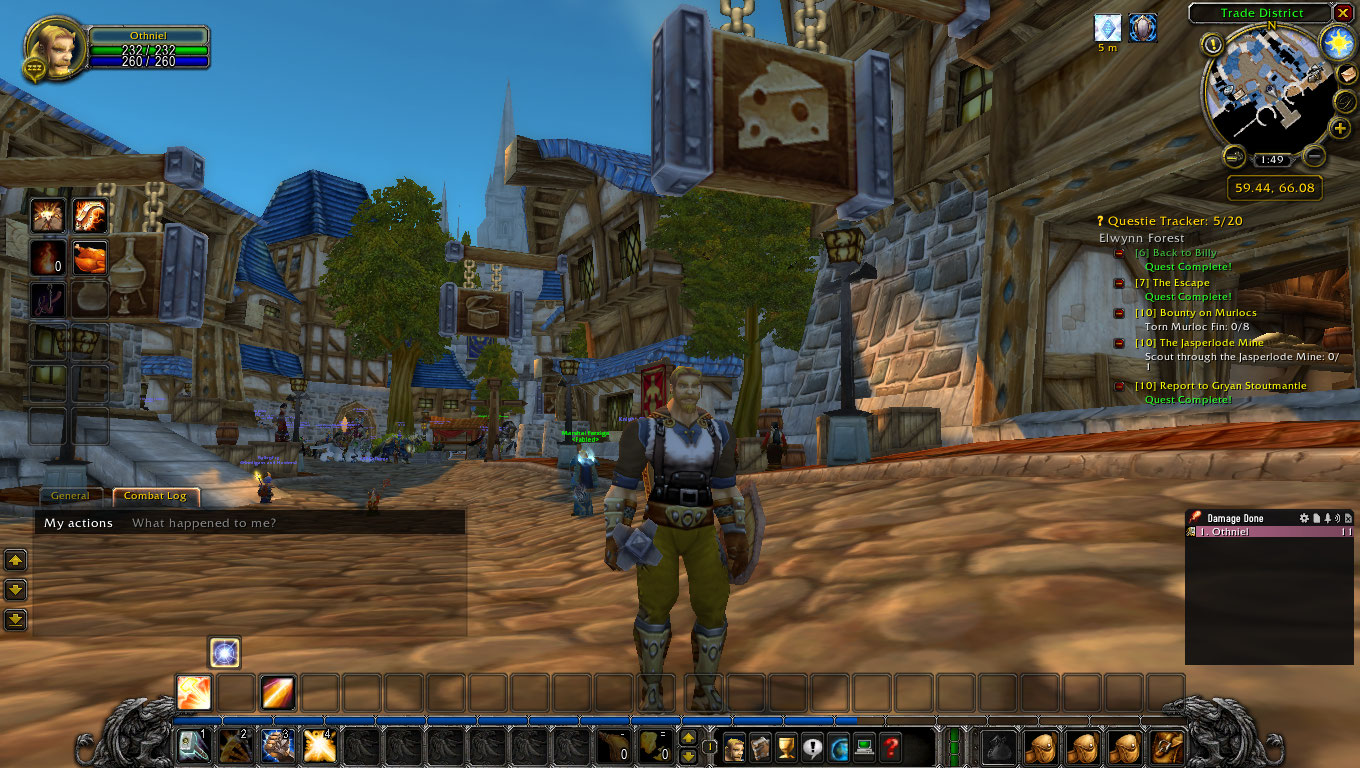
Playing multiple MMOs introduced an entirely new challenge: deciding how to divide my time among them. World of Warcraft demanded a fairly serious commitment to questing if I wanted my character to advance, while Star Wars Galaxies refused to stop consuming resources simply because I was playing something else. Buildings, harvesters and other player-owned structures required credits in their maintenance pools to remain operational. If I neglected the game for too long, the little empire I had constructed could begin falling apart without me. Balancing those competing demands became an important part of my gaming life.
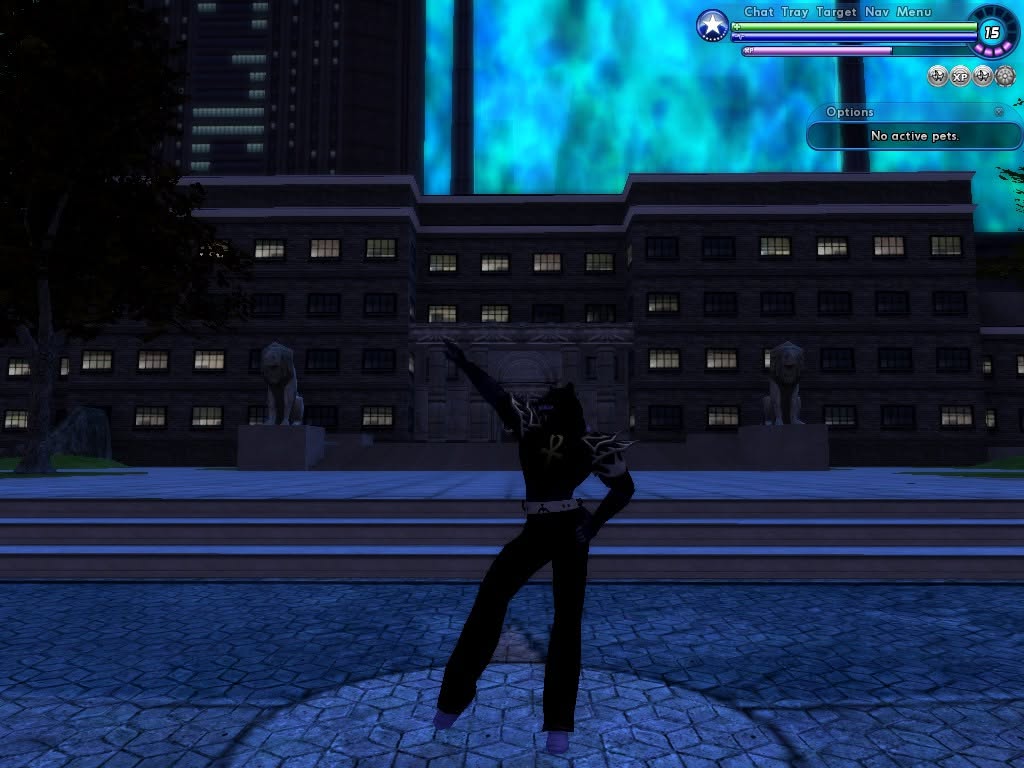
Ironically, just as the developers of Star Wars Galaxies released the controversial Combat Upgrade—prompting me to cancel my subscription and boycott the game—I discovered another MMO that had launched the previous year. City of Heroes promised the opportunity to create and inhabit the life of a superhero within a world designed to encourage both creativity and community. Its enormous selection of powers, costumes and visual details made it entirely possible to create a hero unlike anyone else in the game.
With Star Wars Galaxies removed from my rotation, City of Heroes slipped comfortably into the space it had left behind. Its less demanding style also allowed me to devote more time to World of Warcraft without abandoning the friendships and community I was beginning to build in Paragon City.
Those friendships eventually carried me beyond the game itself and into another form of online entertainment: broadcasting for an internet radio station called The Dark Radio. Many evenings were spent inside the superhero headquarters belonging to one of the station’s staff members. We transformed it into a virtual nightclub where players could gather while we hosted live radio events. Behind the microphone, I was known as “DJ Jackel,” and quite fittingly, I created an Anubis-inspired superhero to serve as the in-game persona of my radio identity.
While my friendships and radio work in City of Heroes continued, another change was taking place in my MMO rotation. When World of Warcraft: Cataclysm launched in late 2010, its transformation of Azeroth rubbed me entirely the wrong way. Having spent most of my time playing Horde characters, I felt almost betrayed by the destruction of familiar places such as the Barrens and Thousand Needles. Even beyond Horde territory, Loch Modan had been drained and the Wetlands unnecessarily flooded. These weren’t disposable landscapes to me; they were places filled with years of memories.
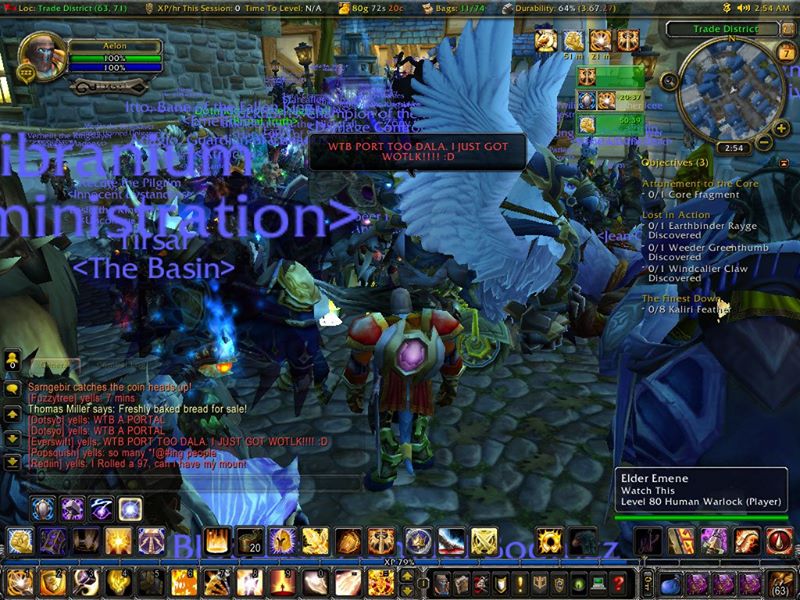
Rather than feeling as though Blizzard had expanded the world I loved, I felt as though it had overwritten parts of it. The developers seemed completely out of touch with what players like me valued about Azeroth. That frustration finally persuaded me to reconsider the MMO I had sworn off several years earlier. If Azeroth no longer felt like the world I remembered, perhaps it was time to give Star Wars Galaxies—and its heavily altered NGE era—another chance.
Returning to Star Wars Galaxies was a strange experience. The New Game Enhancements had replaced its flexible skill system with fixed character professions and made the gameplay feel considerably closer to World of Warcraft. The galaxy I returned to was very different from the one I had left, but I decided to make the best of it.
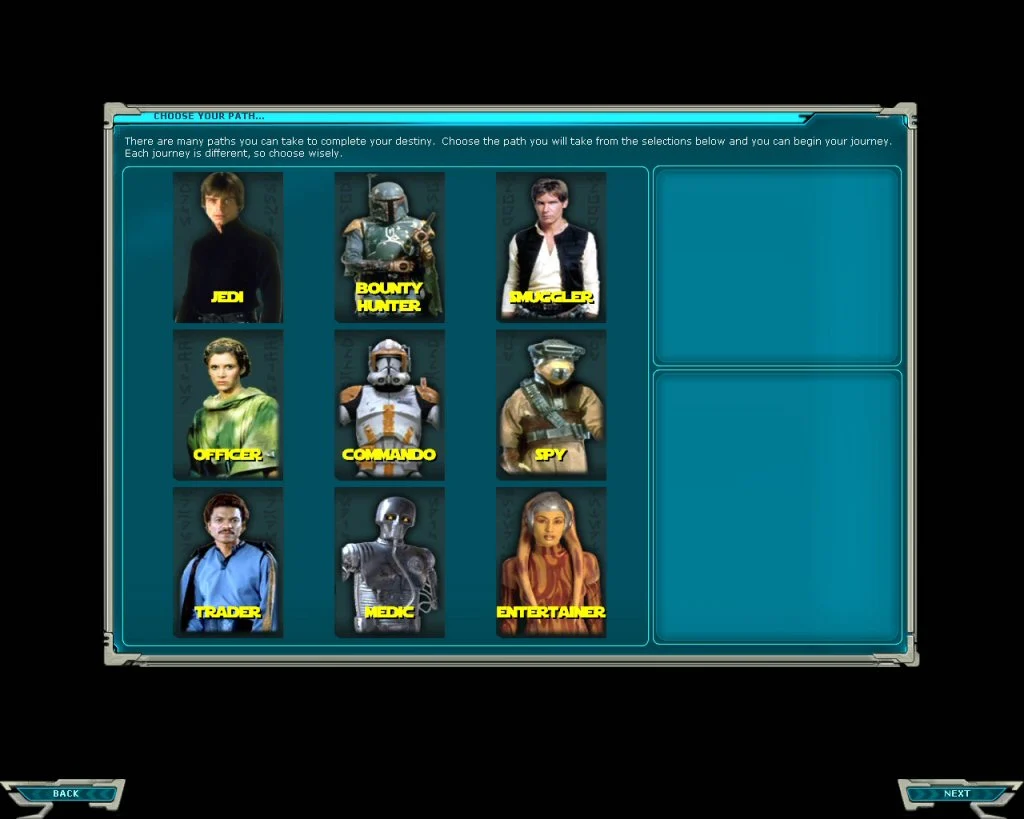
I settled on the Bloodfin server and eventually became part of a player-built city on the planet Lok. As I established myself within the community, I rose through its ranks and became the city’s Minister of Trade. Despite all the changes made to the game, I had once again found the sense of belonging that had drawn me to Star Wars Galaxies in the first place.
Roughly a year after my return, the servers were shut down. It was a deeply bittersweet moment: I had only recently rediscovered the galaxy, and now I was being forced to leave it for good. Just five days later, Star Wars: The Old Republic officially launched and appeared ready to inherit SWG’s place as the great online Star Wars experience. Its character stories were rich and impressively presented, but it never recreated the freedom, interdependence or player-built society that had made Star Wars Galaxies feel alive. Compared with what had been lost, The Old Republic felt like a much smaller kind of universe.
Less than a year after saying goodbye to one persistent world, I was forced to do it again. City of Heroes remained part of my life until its closure in 2012. On its final night, we gathered beneath the statue of Atlas for a candlelight vigil. During the vigil, I was on air with The Dark Radio, sharing airtime with a couple of the station’s other DJs as we accompanied the community through its final hours. We stayed together until the servers finally went dark—bringing an end not only to a game, but to a shared world filled with characters, friendships and memories we had created together.
After the closure of City of Heroes, I began to lose some of my love for the MMO genre. I had come to understand that these games existed within a particular moment in time—and once that moment passed, it could never truly be recreated. The worlds might survive through screenshots, stories and memories, but the people and communities that had made them feel alive would inevitably move on. Those experiences came and went like drops of water carried along by a fast-moving river; once they had passed, there was no reaching into the current and pulling them back.
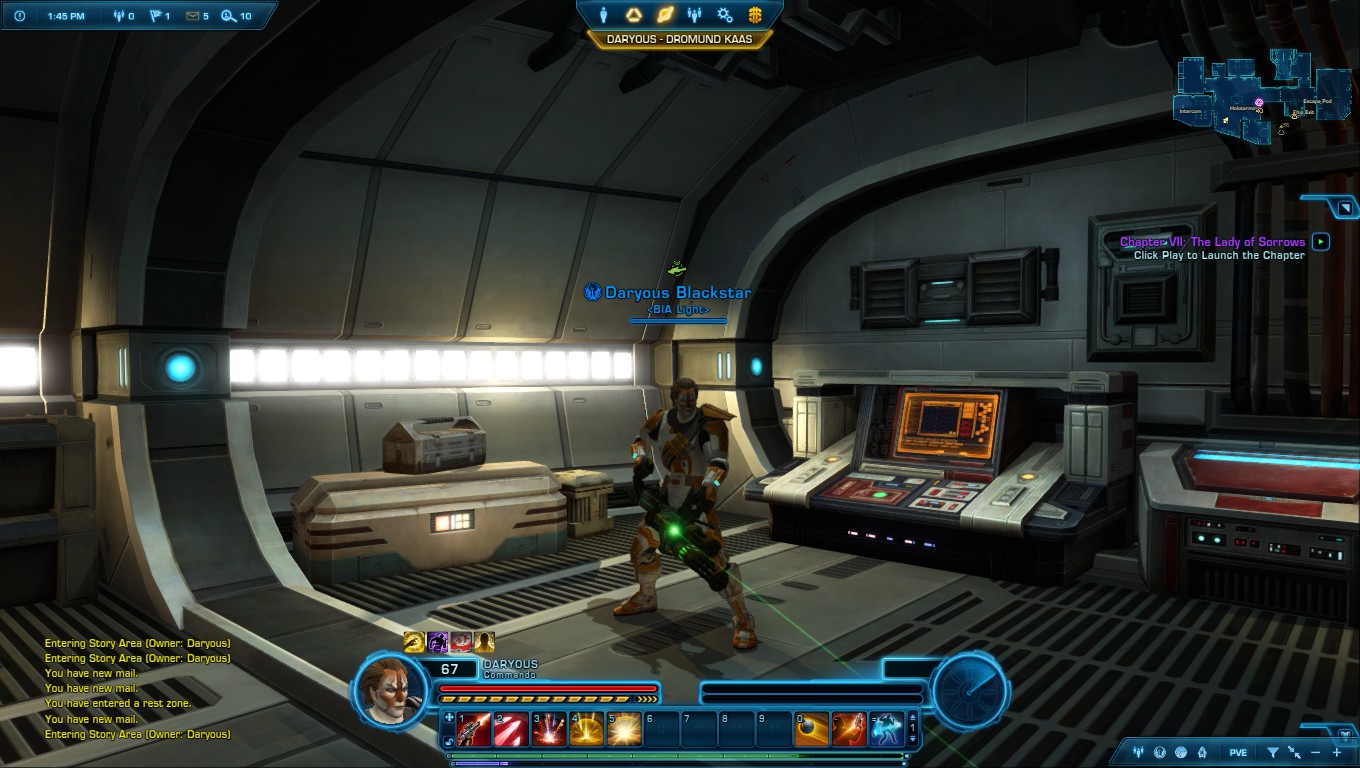
After that realization, every MMO I tried seemed to lack some of the magic I had found in those earlier worlds. Part of the problem may have been the industry’s growing reliance on the World of Warcraft model of fixed classes and carefully directed progression. I found that approach far less interesting than the freedom of Star Wars Galaxies’ original skill system or the enormous range of powers and character builds offered by City of Heroes.
I continued playing Star Wars: The Old Republic, later ventured into Guild Wars 2, Star Trek Online, and returned to World of Warcraft for a few months whenever a new expansion caught my attention. There were still stories to enjoy, characters to create and new places to explore, but none of those experiences ever compared with what had been lost. Perhaps they never could—not because the newer games had nothing to offer, but because the worlds I was searching for belonged to moments that had already flowed beyond my reach.
Beyond the MMO
The library kept growing.
Although MMOs consumed an enormous amount of my gaming time over the years, they were never my only outlet. Between the persistent worlds, guilds and online communities, I continued exploring countless other games. My growing disillusionment with the MMO genre didn’t mark the end of my life as a gamer; it simply encouraged me to look elsewhere for the experiences those online worlds no longer provided.
By then, PC gaming had expanded far beyond anything I could have imagined while sitting in front of that first 486. My Steam library alone would eventually grow to more than 800 games, with hundreds more scattered across Battle.net, the Epic Games Store, Cryptic and various other launchers and services. What had begun with containers of floppy disks had evolved into a digital collection so large that I could never realistically play everything I owned.
There is no possible way for me to mention every game I’ve played over the years. Still, if a PC title was prominent enough to appear on the cover of a major North American gaming magazine, there is a good chance that I either owned it or played it at some point. Even among a collection that broad, however, certain games managed to stand above all the others.
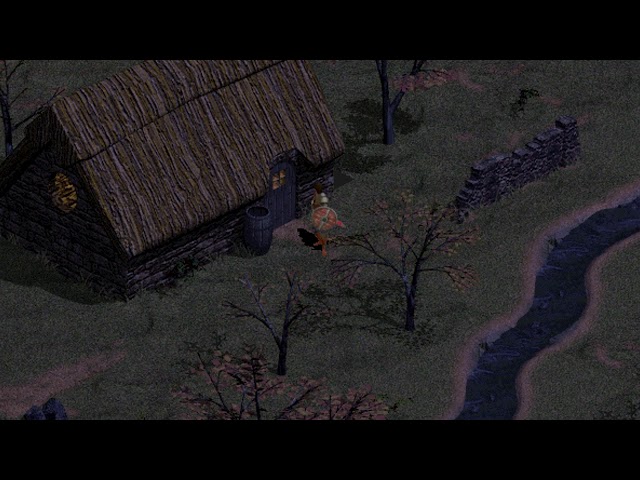
I’m not sure anyone from my generation could call themselves a serious PC gamer without having played the early Warcraft, Diablo and StarCraft games while growing up. Together, those franchises delivered distinct approaches to real-time strategy and roleplaying, supported by incredible stories that continued through generations of sequels and expansions. Much of their legacy remains visible throughout Blizzard’s library today.
For PC gamers of the ’90s and early 2000s, names such as Jim Raynor, Sarah Kerrigan, Deckard Cain, Arthas Menethil and Illidan Stormrage required no introduction. They weren’t simply characters from games we had played; they had become icons of an entire era of PC gaming.
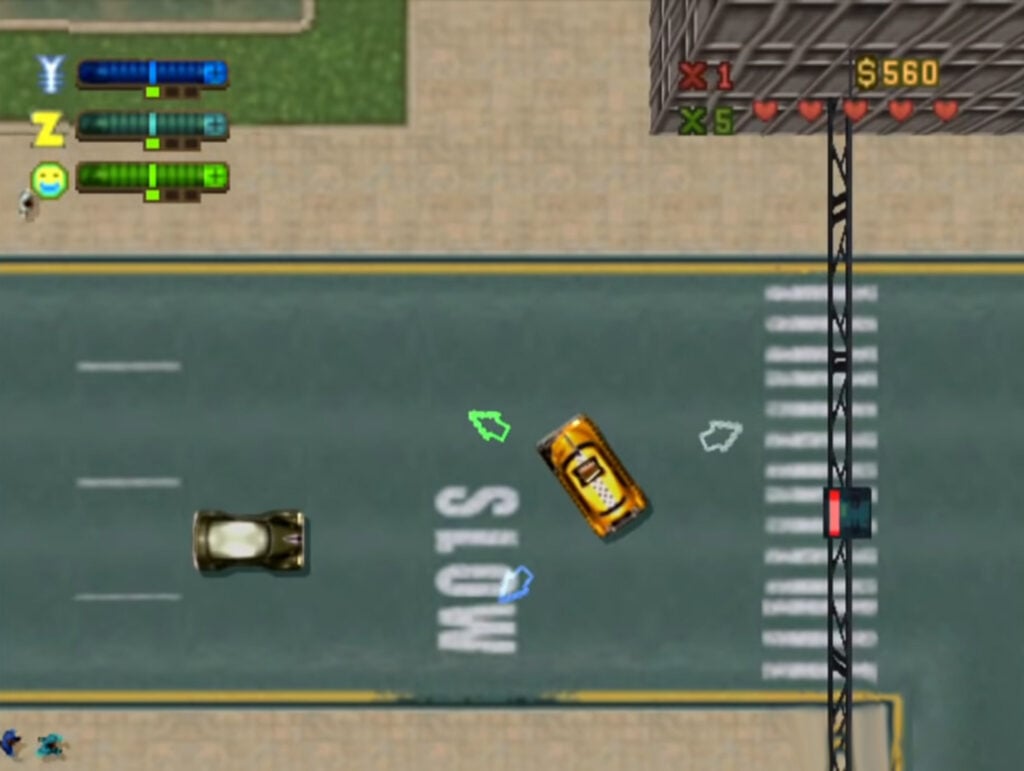
Although I enjoyed the original Grand Theft Auto, its sequel—Grand Theft Auto 2—left an even greater impression on me. There was something fascinating about driving through an expansive city from a top-down perspective with the freedom to do practically anything I wanted. I could work through the missions and advance the game, or I could simply drive around causing absolute chaos and vent a few real-world frustrations.
One of GTA2’s greatest advantages was that its system requirements were fairly modest, even for the time. That allowed me to install it on my relatively underwhelming laptop and take it along during the months we spent at our summer campsite, separated from my home PC. I can still remember otherwise quiet evenings being shattered by gunfire, explosions and police sirens echoing from the tent behind my parents’ fifth-wheel trailer. I would go on to play every Grand Theft Auto game released to date, yet for reasons I can’t entirely explain, GTA2 still holds a special place in my heart.
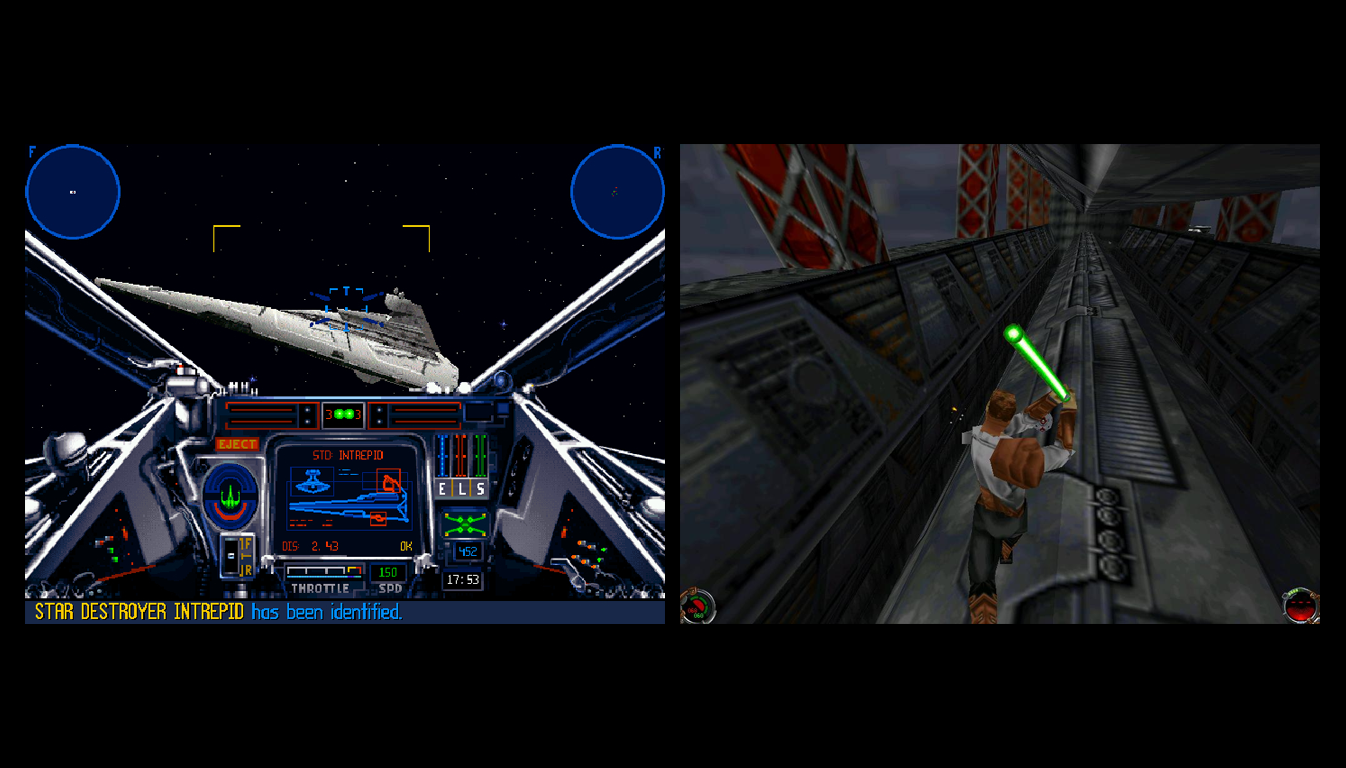
It sometimes feels as though people have been making Star Wars games for as long as home computers have existed. I played a remarkable number of them while growing up, but—as with everything else—certain titles always stood above the rest. Choosing only one would be borderline sacrilege because the games offered such dramatically different experiences, so I have to name two favourites.
The first is Star Wars: X-Wing vs. TIE Fighter, a continuation of the space-combat simulation series that began with X-Wing in 1993. Although I enjoyed the earlier games, something about their flight mechanics never felt quite right to me. X-Wing vs. TIE Fighter polished the experience considerably, making its spacecraft feel far more satisfying to control. My favourite Star Wars fighter, the B-wing, later joined the game through the Balance of Power expansion. Within the improved flight engine, it finally felt much closer to the formidable heavy assault fighter I had always imagined.
My second choice is Star Wars: Dark Forces, the game that brought first-person shooting into the Star Wars universe. It was far from perfect. Its level design could occasionally feel bland or awkward, its characters were graphically basic, and many of its weapons resembled familiar shooter archetypes more than recognizable Star Wars technology. Yet none of that prevented the game from becoming something special.
What truly gave Dark Forces its identity was the story. It introduced Kyle Katarn, the mercenary we controlled, alongside Jan Ors, his Rebel contact, partner and pilot. Their surprisingly well-developed histories made them feel like genuine characters rather than disposable figures created merely to carry the player between missions. Together, they took us through an adventure that remained memorable long after the final mission ended. Their story would, of course, continue through the Jedi Knight series, transforming Kyle and Jan into enduring figures within the Star Wars expanded universe.
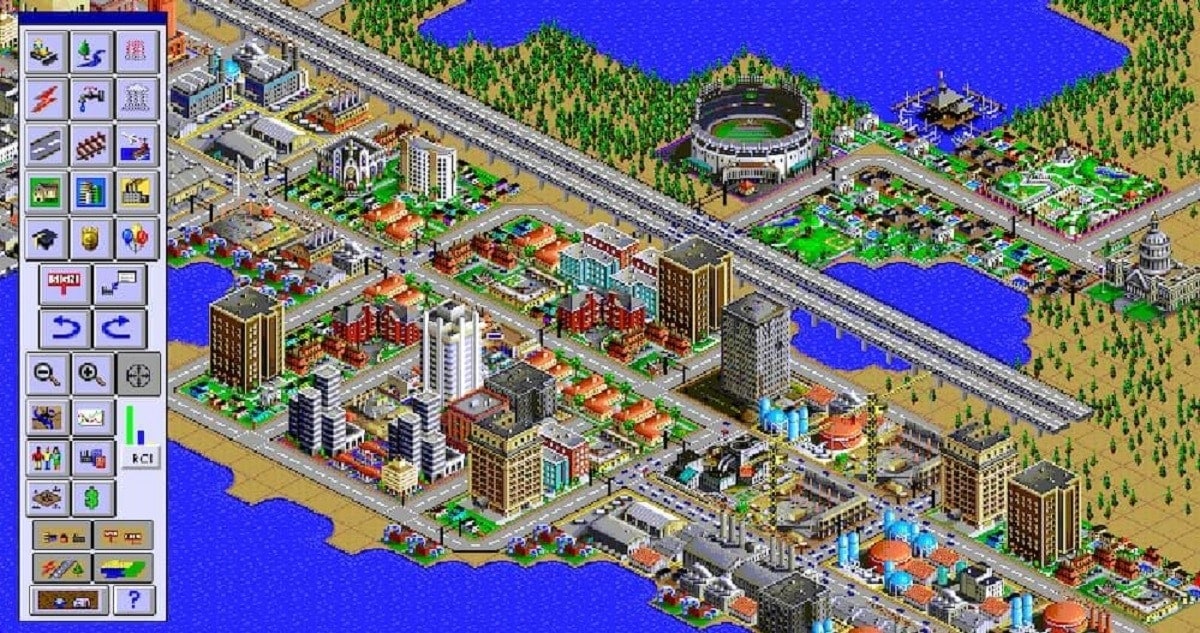
My life as a gamer wasn’t all action and adventure, mind you. Sometimes I wanted to slow everything down and take a moment to smell the proverbial roses. One particularly memorable game that satisfied that quieter side of gaming was SimCity 2000.
I had played the original SimCity and would continue with later entries in the Sim franchise, including The Sims and its many experiments in virtual life. Even so, there was something about SimCity 2000 that remained particularly memorable. It was the first city-building game that truly made me feel as though I were constructing a functioning city rather than simply placing zones on a map. Electrical power was no longer enough; residents also required an underground water system, while the new terrain tools allowed me to reshape the landscape itself.
Admittedly, the endgame usually devolved into staring at my carefully constructed city and asking, “What can I demolish to squeeze in one more arcology?” Everything leading up to that point, however, was a thoughtful, satisfying and thoroughly enjoyable city-building experience.
A World of Blocks
When having no direction became the point.
Sometime during the summer of 2010, I began hearing about a new game called Minecraft. Although it was still in a fairly early alpha state, it was already beginning to make waves. My curiosity eventually got the better of me, and I joined its paid early-access program.
I have to admit that the concept was interesting, but the alpha held my attention for only a few weeks. Most of Minecraft’s basic foundations were already there, yet the game still felt limited in content. There didn’t appear to be any particular goal or direction, and at the time, that made it difficult for me to understand what I was supposed to be doing.
It wasn’t until much later that I finally understood: the absence of a prescribed direction wasn’t something missing from Minecraft—it was the source of its magic. The game simply handed me an open world and invited me to build, explore and do practically anything I wanted. It wasn’t asking what I could accomplish within its story. It was asking what stories I could create for myself.
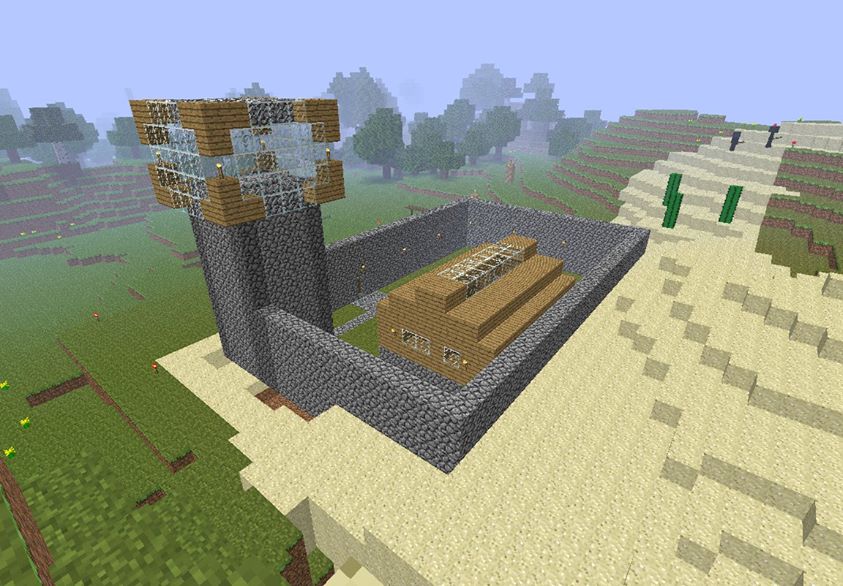
I returned to Minecraft periodically throughout its beta development, but when the original Java version finally reached its official 1.0 release, it captured my attention more than ever. For the first time, the game offered something resembling an ending: an entirely new dimension to discover and an Ender Dragon waiting to be confronted. Villagers had also begun appearing in the Overworld, bringing another welcome sense of life to a landscape previously occupied mostly by animals and monsters.
Those additions inspired me to create larger and increasingly ambitious builds. Simple shelters gradually gave way to moderately sized cities, designed with the intention of eventually populating their streets and buildings with villagers. The more I constructed, the more techniques I discovered for arranging and manipulating blocks into recognizable objects the game didn’t actually provide. Benches, seats, fountains and other decorative details emerged from creative combinations of ordinary blocks. Minecraft was no longer merely giving me materials—it was teaching me an entirely new visual language.
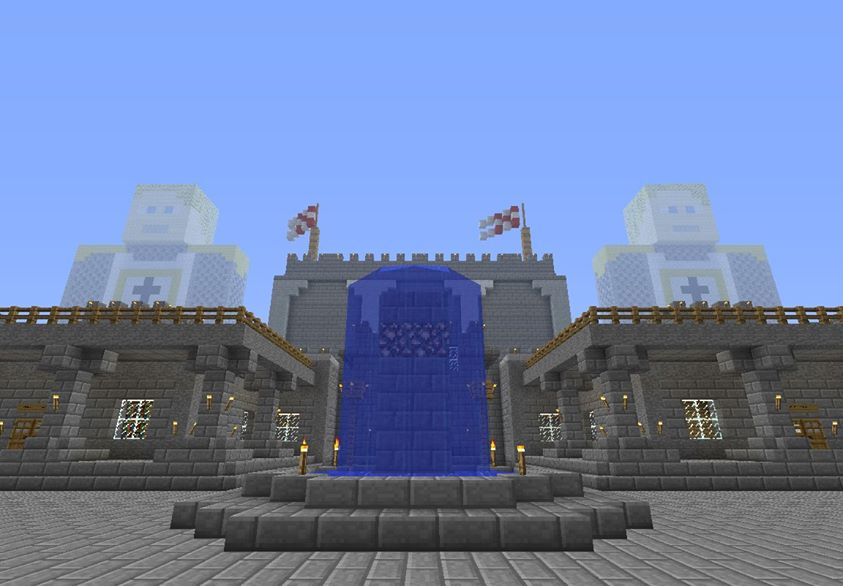
With every new version of Minecraft, my creativity seemed to expand even further. The simple structures of my earliest worlds gradually gave way to increasingly complex machines: obsidian cannons that launched live blocks of TNT, doors that opened automatically as I approached and closed after I passed through, gardens that harvested their own crops, and hopper systems that collected materials before sorting them into their assigned chests.
This was no longer simply about making my builds more efficient. It was complete automation, made possible by gradually learning the strange and wondrous logic of Redstone.
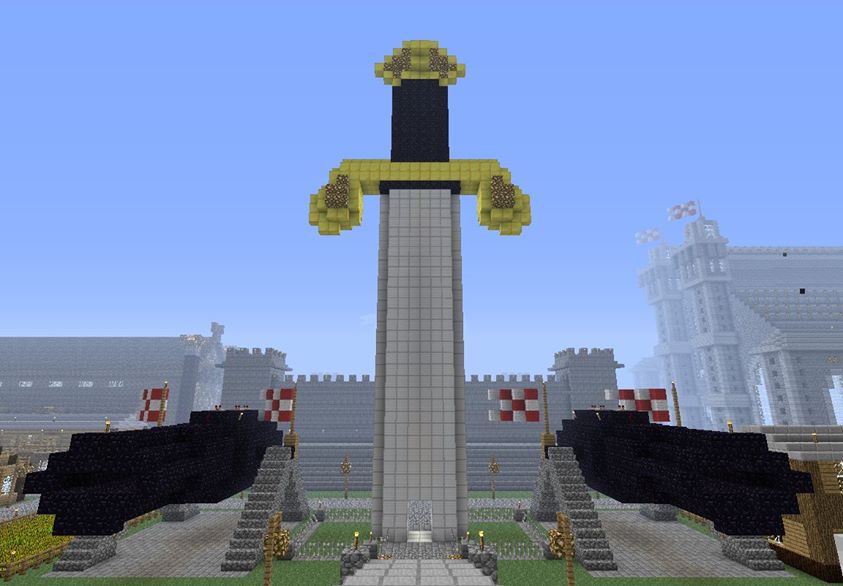
Although I would always remain fascinated by creating new designs within Minecraft, eventually I was drawn into hosting worlds of my own. That interest arrived like a storm. It began with a simple vanilla server around the release of version 1.2, but by 2013, I had moved into helping manage much larger public communities. Most notably, I became one of a small number of moderators on the Opticraft server during what I remember as its golden years.
Working behind the scenes on an established public server opened my eyes to an entirely different side of Minecraft: modifying and customizing the experience itself. I began experimenting with modpacks created by other people, learning what worked, what conflicted and how dramatically a carefully chosen collection of mods could transform the game. Eventually, experimenting with other people’s creations led naturally to building packs of my own.
The first was Viper-Craft Galaxy, created for Minecraft 1.7.10, followed by Viper-Craft Galaxy 2 for version 1.10.2. Both remain listed on the Technic Platform today. These projects allowed me to shape a complete Minecraft experience by selecting, configuring and balancing mods so that they felt like parts of one cohesive world rather than a random collection of additions.
Around the same time, I also began developing a mod of my own—a deliberately silly tribute to my love of dairy products. Players would begin with the standard Minecraft milk bucket, process the milk in a churn to produce cheese curds and then refine those curds into blocks of cheese. Those blocks could be sliced into food, used like ingots to craft cheese-based shovels and pickaxes, or turned into construction materials for anyone who had ever dreamed of building a house made entirely from cheese.
Unfortunately, the mod was never finished or released. A hard-drive failure destroyed the work, and I couldn’t summon the enthusiasm required to recreate everything from scratch. Even so, remembering the sheer absurdity of that project still makes me smile.
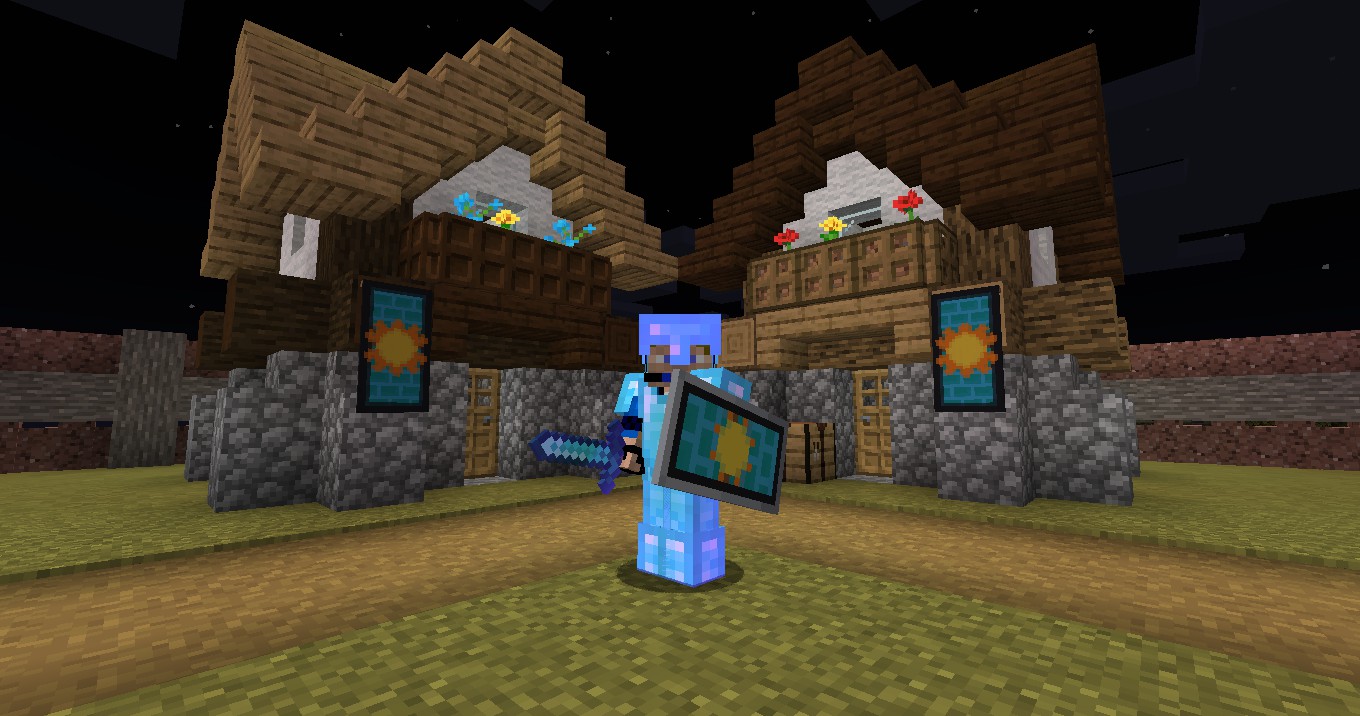
As the Minecraft communities around me gradually shifted away from Bukkit servers and the Technic Platform, I began creating modpacks through CurseForge instead. These later packs were less about pursuing my own singular vision and more about collaborating with my brother and fiancée to build experiences we could all enjoy together.
I still play Minecraft today, but I can’t help missing those earlier years. Some of the remarkable mods that once defined the experience have changed beyond recognition, while others simply disappeared as the game continued evolving. Minecraft itself survived, but parts of the world that first inspired me to modify it were inevitably left behind.
Today and Tomorrow
The history is still being written.
Even a page as long as this one could never completely capture my history with gaming. More importantly, that history is nowhere near finished. My present and future as a gamer will continue building upon everything that came before.
These days, as I approach the age of fifty, I remain every bit as much a gamer as I was in my youth—and I don’t see that ever changing. Although I still spend plenty of time revisiting games from my past, I’ve also discovered a few newer gems that have earned their own place in my story.
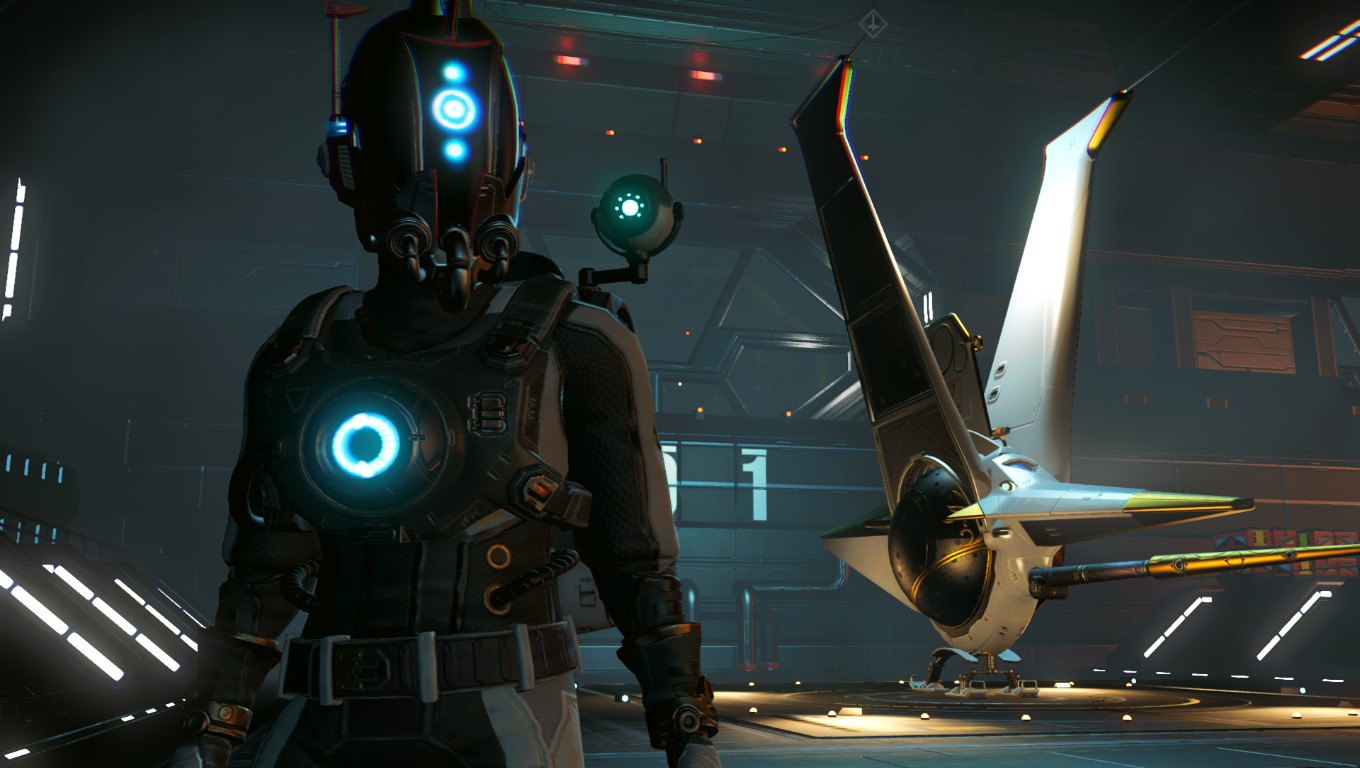
No Man’s Sky was certainly a unique gaming experience. When it launched, however, it was also an absolute disaster. Enormous promises had been made, and many of them were nowhere to be found in the finished product. I was there at launch and remember just how underwhelming it felt. The backlash was immediate and brutal, reviews collapsed, and Hello Games largely withdrew from public view.
Maybe it reminded me of my time with Freelancer and Earth & Beyond—games that weren’t flawless but still offered spacefaring experiences unlike anything else available. Whatever the reason, there was something about No Man’s Sky that kept me from abandoning it entirely.
Over time, the technical problems were corrected, the universe expanded and those original promises were not only fulfilled but frequently surpassed. Hello Games eventually introduced Expeditions: miniature, time-limited adventures that rewarded participating players with unique decorations, character customizations and occasionally even new ships. Those of us who stayed with the game—or continued returning to it—were rewarded for that loyalty.
No Man’s Sky isn’t one of those games you play for a while and then forget. It is a game I continue returning to, driven by the simple curiosity of wondering what has changed and the enduring enjoyment of losing myself in its universe once again.
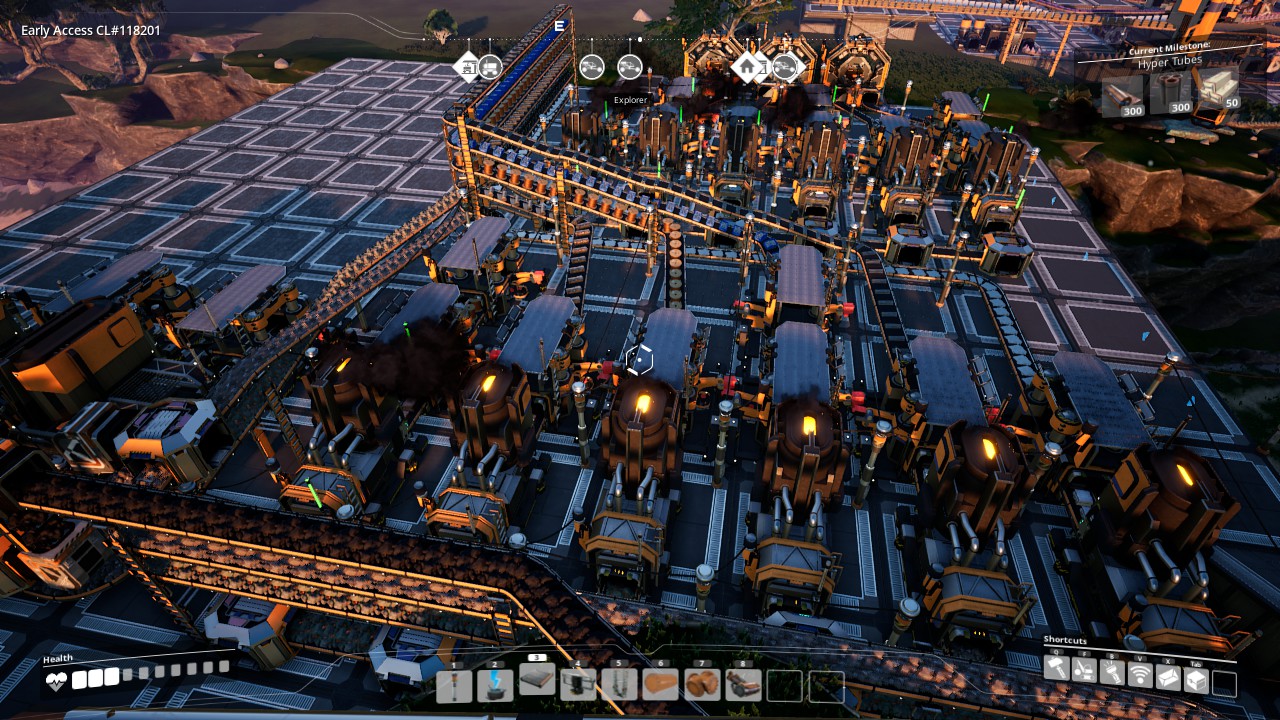
When it comes to satisfying my need to engineer complex systems, few games compare with Satisfactory and Stormworks: Build and Rescue. They are the sort of games people tend either to love or hate, with very little middle ground. For me, they provide an outlet for designing intricate systems that gradually evolve as new problems and possibilities emerge.
Whether I’m constructing a massive factory capable of producing a multitude of items or assembling individual components into a complicated vehicle engine, these games allow me to do more than simply build. They challenge me to troubleshoot what I’ve created, identify its weaknesses and continually improve its performance and efficiency.
They take my brain out for a walk, stop at the gym to give it a proper workout, and then return it to my head feeling refreshed and energized.
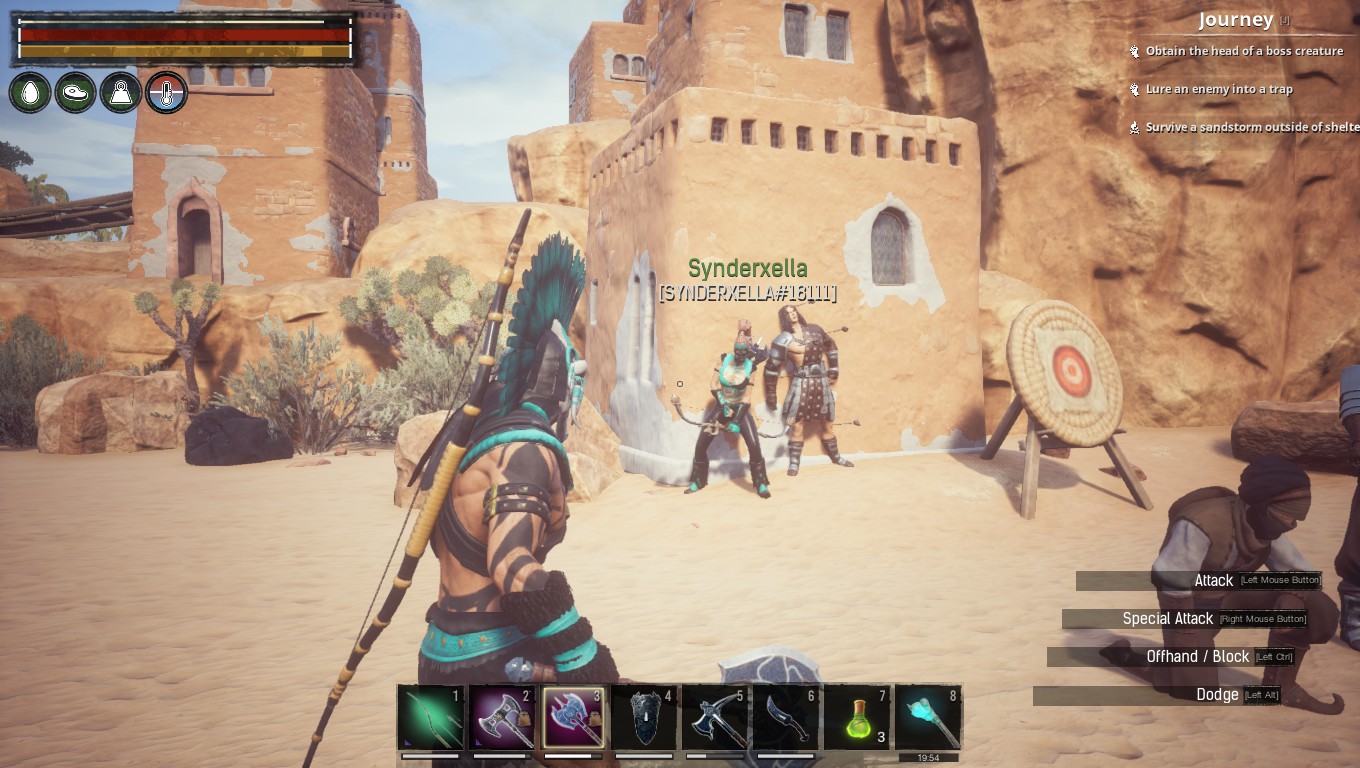
Survival games have also remained a significant part of my gaming experience to this very day. Games such as Conan Exiles and ARK: Survival Evolved offered brutally unforgiving worlds in which disaster was never far away. Both could leave you in peace for hours while you constructed a base, only to erase all that hard work in a sudden moment of absolute mayhem.
Even as I gained experience and improved my characters, the worlds never seemed to become truly manageable. Threats were always waiting just beyond the walls, while hunger and other constant needs demanded attention within them. There were resources to manage, crops to grow and harvest, armies of beasts to breed, and tools to craft and continually improve. Whenever I thought I had finally run out of things to do, the game would promptly remind me exactly how demanding survival could be.
Despite the many complaints surrounding both games, I have always enjoyed the experiences they provide—especially when sharing the struggle, construction and inevitable chaos with other players.
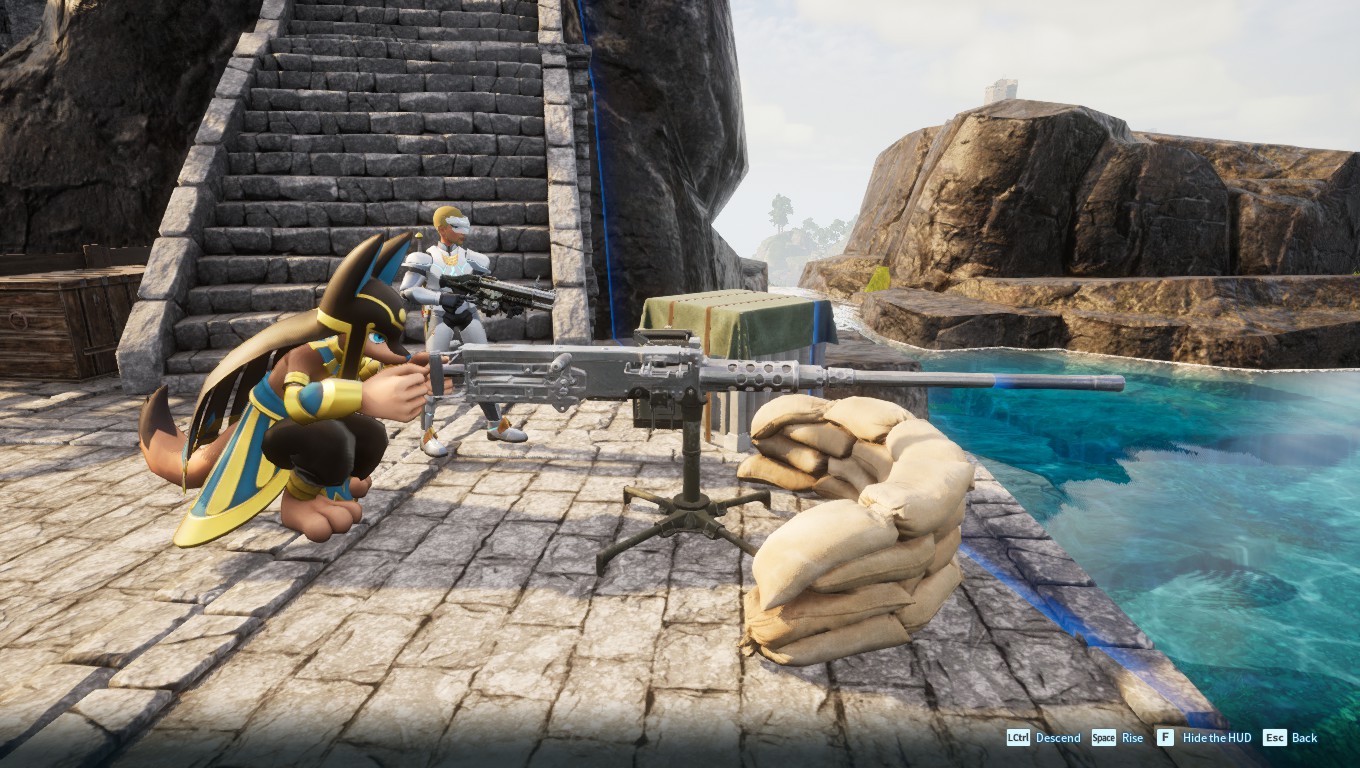
Although I was never particularly drawn into the world of Pokémon, I maintained what could best be described as a casual interest in it. Palworld, however, proved absolutely thrilling. It combined many of the survival mechanics I loved in games such as Conan Exiles with a creature-catching and battling system that would feel familiar to anyone who enjoyed Pokémon or Monster Rancher. I had genuinely enjoyed the latter, so Palworld was right up my alley.
What particularly appealed to me was that, much like the creatures in ARK, every Pal possessed its own specialties and reasons for keeping it around. Some were skilled at planting crops, while others could water them, mine resources or cook food. Certain Pals could serve as ground mounts with unique methods of travel, while others allowed me to take to the skies. Each had its own strengths and weaknesses, making it my responsibility to collect the right Pals and assign them to the specific jobs my base required.
Beyond the base, I could take a team of up to five Pals with me while exploring the world and confronting its many wonders and dangers. This made them more than workers or collectible monsters. They became travelling companions, combat partners and essential members of whatever adventure I happened to create.
Palworld has also continued moving forward while confronting Nintendo and The Pokémon Company’s patent lawsuit. Whatever the final outcome of that dispute may be, one thing remains clear to me: Nintendo has nothing in its own library that delivers quite the same experience. Palworld’s combination of survival, construction, automation, exploration and creature collecting created something that felt genuinely different—and considerably more appealing to me than Pokémon ever had.
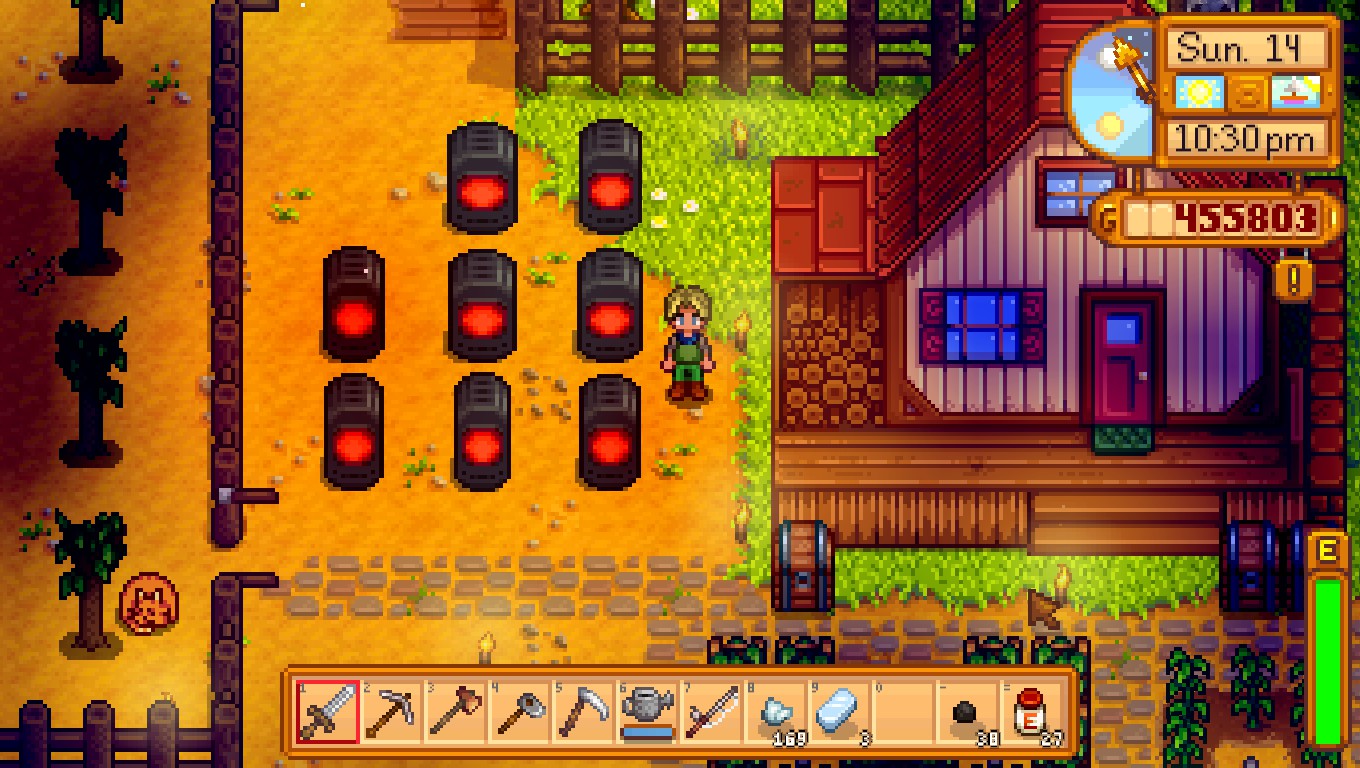
With all that excitement, sometimes nothing feels better than switching everything off and powering down with a cozy game. Dinkum, Stardew Valley and Staxel all satisfy that need particularly well. They could be loosely categorized as farming or town-building games, but their distinctive visual styles and very different experiences make those descriptions feel somewhat inadequate.
Stardew Valley begins with the familiar premise of inheriting a neglected family farm, while Staxel places you in the role of a newcomer tasked with restoring an overgrown farm on the outskirts of a small village. From there, the two games move in noticeably different directions. Stardew Valley places considerable emphasis on developing relationships with the townspeople while improving the farm. Staxel offers far more freedom to construct the world block by block, including creating new buildings for the village’s residents while continuing to manage the farm.
Dinkum approaches community-building differently again. Rather than constructing every building one piece at a time, I attract new residents to the settlement and place deeds for the homes and businesses they require. The building itself begins as a blueprint, leaving me responsible for gathering and supplying all the materials needed to complete it.
Each game creates its own variation on a simple and accessible daily rhythm. There are always crops to tend, residents to help and projects to complete, keeping the experience engaging without sacrificing the relaxed atmosphere that makes cozy games such a welcome change of pace.
I couldn’t end my gaming retrospective without mentioning simulation games. They have represented an enormous part of both my gaming past and the games I continue playing today. Among the most notable are the Farming Simulator series, which has now reached Farming Simulator 25, and Ultimate Fishing Simulator, which is currently into its second release.
That doesn’t mean I abandoned the earlier games whenever a new version appeared. I continue returning to several of them just as readily as the latest releases. In fact, Farming Simulator 19 remains my favourite entry when I want a break from the sometimes overwhelming level of detail introduced in Farming Simulator 25.
Across their various releases, each series has offered me something different, yet both could reasonably be considered casual experiences. Ultimate Fishing Simulator is almost entirely relaxing, interrupted only by the occasional burst of excitement when something finally takes the bait. Farming Simulator, on the other hand, contains far more management than any supposedly casual game has a right to demand—and I think that is precisely what kept me interested.
Farming wasn’t simply a matter of planting crops and gathering the harvest. I had to monitor the soil, provide whatever treatment it required, watch the markets and decide when selling my products would generate the greatest return. That frequently created moments when I would find myself biting my lip, wondering whether the money I had left could carry the farm through another week—or whether I would be forced to sell at a miserable price simply to survive.
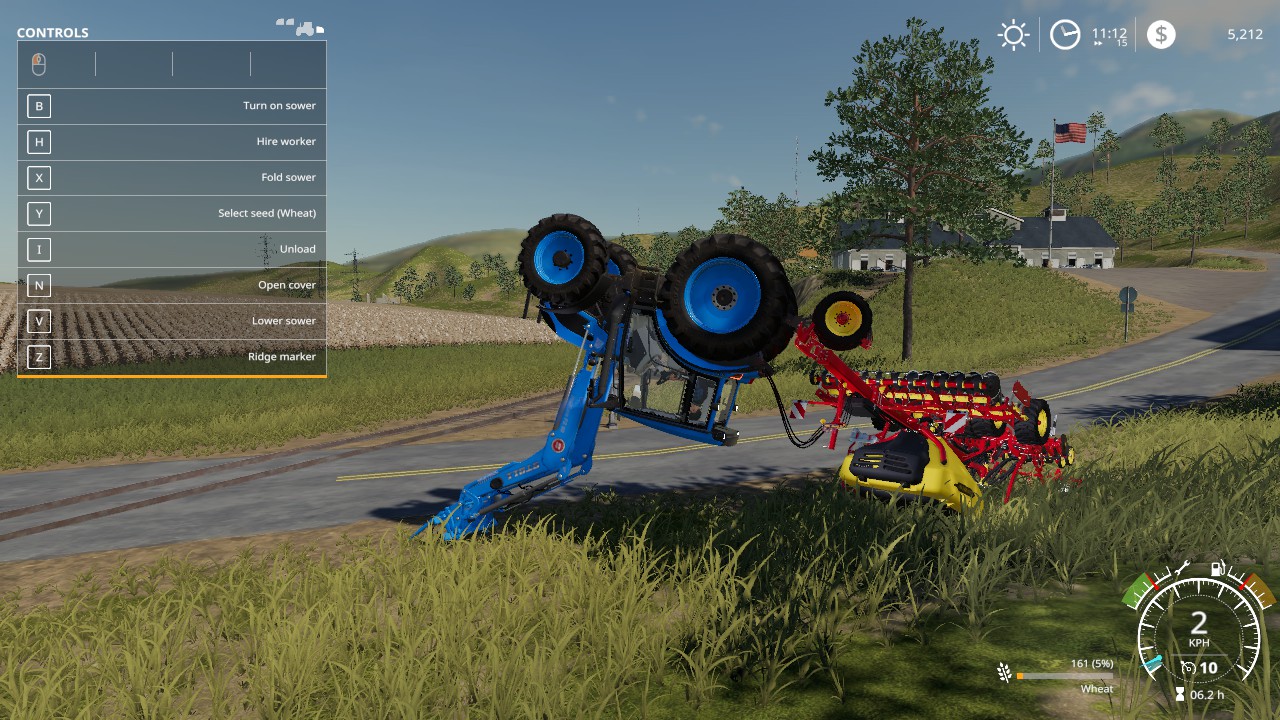
Even after everything covered throughout this page, the games I have mentioned represent only a small sample of those I have played over the years. For every title included here, countless others could have filled another chapter—or perhaps an entire page of their own. Some held my attention for only a few hours, while others became virtual homes that I continued returning to for years. Each contributed something to the gamer I eventually became.
I have undoubtedly spent an enormous portion of my life exploring virtual worlds, and there will always be people willing to describe those hours as “wasted.” I have no regrets. Those worlds gave me challenges to overcome, stories to experience, systems to master and opportunities to create things that could never have existed anywhere else. They provided friendships, laughter, excitement and an escape when the real world became a little too demanding. Time spent doing something that inspires your imagination and brings genuine happiness is not wasted simply because it happened on a screen.
To anyone who shares that love of gaming: never feel the need to apologize for it. Celebrate the games that shaped you, revisit the worlds you still miss and remain willing to discover new ones. Our adventures are no less meaningful because their worlds are virtual. Keep playing, keep exploring and keep creating—because as long as there are new worlds ahead of us, our gaming histories are still being written.